

You’ve built a successful aesthetic practice. Your appointment book is full, clients love your work, and revenue is steady. But here’s the thing: being busy doesn’t mean you’re growing in a way that’s sustainable.
Most med spa owners hit a ceiling where they’re working harder but not seeing proportional growth. You’re maxed out on appointments, your team is stretched thin, and the thought of taking a vacation feels impossible. That’s not growth. That’s just being overwhelmed.

The Difference Between Growth and Scalable Growth
Growth means more clients and more revenue. Scalable growth means building systems that allow you to serve more clients without proportionally increasing your workload or stress levels.
When you scale without proper infrastructure, you risk burning out your team, compromising service quality, and creating operational chaos. I’ve seen practices double their revenue only to see profit margins shrink because they didn’t have the right systems in place.
Signs Your Practice Is Ready to Scale
Not every practice is ready to scale, and that’s okay. Here are indicators that you’re positioned for expansion:
- You’re consistently booked 3-4 weeks out
- You’re turning away clients due to capacity constraints
- Your revenue has been stable or growing for at least 6 months
- You have positive cash flow and financial reserves
- Your client retention rate is above 60%
- You’re spending more time working in the business than on it
If you’re checking most of these boxes, you’re probably ready to implement scalable systems.
The Four Pillars Framework Overview

Sustainable aesthetic practice growth relies on four interconnected pillars: strategic hiring, documented procedures, referral systems, and marketing automation. Each pillar supports the others, creating a foundation that can handle expansion without cracking under pressure.
Think of it this way: hiring brings capacity, SOPs ensure consistency, referral programs generate qualified leads, and automation scales your marketing efforts. Together, they create a growth engine that runs smoothly whether you’re in the office or not.
Building Your Team: Strategic Hiring for Aesthetic Practice Growth
Your team is your most valuable asset. But hiring the wrong people can drain resources and damage your reputation faster than almost anything else.
Identifying Which Roles to Hire First
Start by identifying your biggest bottleneck. If you’re personally doing treatments from open to close, you probably need another injector or medical aesthetician. If clients are waiting too long to check in or your phone goes unanswered, a front desk coordinator should be your priority.
For most practices, the hiring sequence looks something like this: front desk coordinator first (they handle scheduling and client experience), then medical staff (injectors, nurses, or aestheticians), and finally a practice manager once you have multiple team members to coordinate.
Creating Compelling Job Descriptions for Aesthetic Professionals
Generic job postings attract generic candidates. Your job description should highlight what makes your practice different. Talk about your culture, growth opportunities, and continuing education support.
Be specific about compensation. Vague phrases like ‘competitive salary’ waste everyone’s time. If you offer commission structures, explain how they work. If you provide continuing education allowances or product discounts, mention those perks upfront.
Where to Find Top Aesthetic Talent
The best candidates aren’t always actively job hunting. Post on industry-specific platforms, but also tap into your professional network. Reach out to aesthetic training programs and nursing schools. Many practices find great team members through Instagram, where aesthetic professionals showcase their work.
Don’t overlook your existing clients. Some of your most loyal patients might be interested in transitioning into the aesthetic field or know someone who would be a perfect fit.
Interview Questions That Reveal Culture Fit and Skill
Technical skills matter, but culture fit determines long-term success. Ask candidates to describe how they’d handle a dissatisfied client or what they do when they disagree with a treatment plan. Their answers reveal problem-solving abilities and client service orientation.
For medical staff, consider practical assessments. Have injector candidates demonstrate their technique or discuss their approach to facial anatomy. You’ll learn more from watching them work than from any interview question.
Compensation Models That Support Retention
Compensation structures in aesthetic practices vary widely. Some practices pay straight salary, others use commission-only models, and many use hybrid approaches.
Base salary plus commission tends to work well because it provides stability while rewarding performance. Consider offering bonuses tied to client retention rates or positive reviews, not just sales volume. This aligns incentives with quality care rather than pushing unnecessary treatments.
Onboarding New Team Members Effectively
Your onboarding process sets the tone for an employee’s entire tenure. Create a structured 30-60-90 day plan that gradually increases responsibilities while providing support.
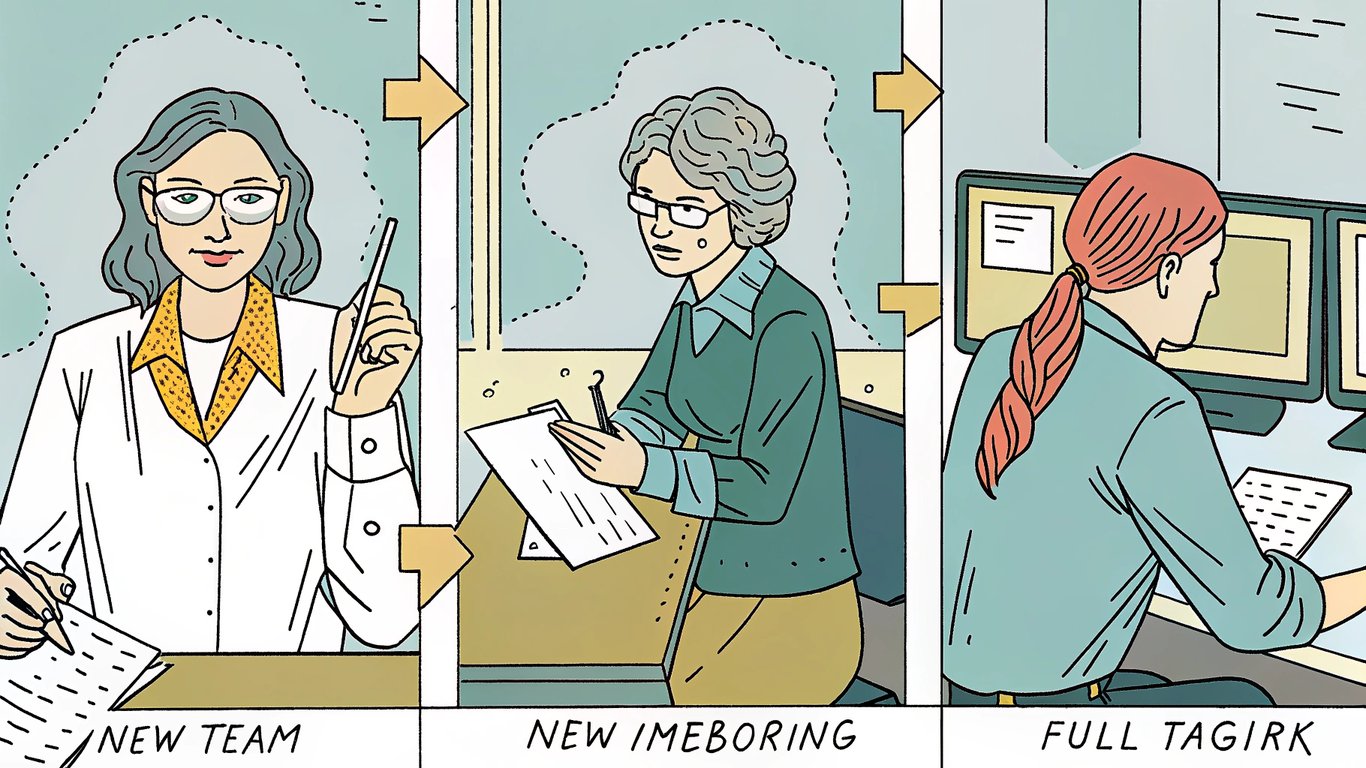
In the first 30 days, focus on culture integration and basic procedures. By day 60, they should be handling most tasks independently with occasional guidance. By day 90, they should feel confident and fully integrated into your team.
Creating Standard Operating Procedures (SOPs) That Scale
SOPs sound boring. I get it. But they’re the difference between a practice that runs smoothly and one that depends entirely on you being present for every decision.
Why SOPs Are Critical for Aesthetic Practice Growth
Documented procedures ensure consistency across your team. When everyone follows the same protocols for client intake, treatment delivery, and follow-up care, your clients receive the same high-quality experience regardless of who serves them.
SOPs also make delegation possible. Without documented processes, you become the bottleneck because only you know how things should be done. With clear procedures, you can confidently hand off responsibilities and focus on strategic growth.
Essential SOPs Every Aesthetic Practice Needs
Start with these core procedures:
- Client intake and consultation: How you greet clients, conduct consultations, and document medical history
- Treatment protocols: Step-by-step procedures for each service you offer
- Safety and sanitation: Cleaning protocols, equipment sterilization, and emergency response
- Inventory management: Ordering, receiving, and tracking products and supplies
- Client communication: Appointment reminders, follow-up protocols, and handling concerns
How to Document Your Current Processes
Don’t try to document everything at once. Start with your most frequent procedures or those with the highest risk if done incorrectly.
Shadow yourself or your team members while performing tasks. Record each step, noting decision points and common variations. Ask your team for input since they often spot inefficiencies you’ve stopped noticing.
Creating User-Friendly SOP Templates
Nobody wants to read a 20-page manual to figure out how to check in a client. Keep SOPs concise and visual. Use numbered steps, include photos or diagrams, and create quick reference guides for common tasks.

Format matters. A well-designed one-page checklist gets used. A dense document gets ignored.
Implementing SOPs Without Disrupting Operations
Roll out new procedures gradually. Introduce one SOP at a time, train your team, and give them time to adapt before adding another. Gather feedback and refine the process based on real-world use.
Some resistance is normal. People don’t like change, especially if they’ve been doing things their own way for years. Explain the benefits and involve your team in the creation process to increase buy-in.
Maintaining and Updating SOPs Over Time
SOPs aren’t set-it-and-forget-it documents. Schedule quarterly reviews to ensure procedures still reflect best practices and regulatory requirements. When you introduce new equipment or services, update relevant SOPs immediately.
Using Technology to Manage SOPs
Digital tools make SOP management easier. Practice management software often includes document storage and version control. Cloud-based platforms let your team access procedures from any device, and you can track who’s reviewed which documents.
Designing High-Converting Referral Programs
Referrals are the most valuable clients you’ll ever get. They arrive pre-sold, convert at higher rates, and tend to become loyal long-term patients.
Why Referrals Are the Most Valuable Growth Channel
Referred clients trust you before they walk through the door because someone they trust vouched for you. They’re less price-sensitive, more likely to follow treatment recommendations, and more forgiving if something goes wrong.
The cost to acquire a referred client is minimal compared to paid advertising. You’re leveraging your existing client relationships instead of competing for attention in crowded digital channels.
Structuring Incentives That Motivate Referrals
Your referral incentive should be valuable enough to motivate action but not so generous that it attracts the wrong behavior. Many practices offer discounts on future services or product credits rather than cash.
Consider tiered programs that reward ongoing referrals. Someone who refers one friend gets a small discount. Someone who refers five friends gets a complimentary treatment. This encourages your biggest advocates to keep spreading the word.
Creating a Seamless Referral Experience
Make referring easy. Provide referral cards clients can hand to friends. Create a simple online form where they can submit referrals. The fewer steps involved, the more referrals you’ll receive.
Track referrals carefully so you can properly reward clients and measure program effectiveness. Nothing kills a referral program faster than forgetting to acknowledge someone’s referral.
Training Staff to Promote Your Referral Program
Your team should mention the referral program naturally during appointments. Train them to bring it up when clients express satisfaction: ‘I’m so glad you’re happy with your results. We’d love to help your friends achieve similar outcomes. Here’s information about our referral program.’
Tracking and Measuring Referral Program Success
Monitor your referral rate (percentage of new clients who come from referrals), conversion rate (how many referred prospects become clients), and program ROI (revenue from referred clients minus incentive costs).
Identify your top referrers and find ways to recognize them beyond standard rewards. A handwritten thank-you note or exclusive VIP event can turn good advocates into exceptional ones.
Advanced Referral Strategies for Aesthetic Practices
Partner with complementary businesses like hair salons, fitness studios, or boutiques. They can refer clients to you, and you can reciprocate. These partnerships expand your reach without direct competition.
Implementing Marketing Automation for Consistent Growth
Marketing automation lets you maintain consistent communication with clients and prospects without manually sending every message. It’s like having a marketing team that works 24/7.
Understanding Marketing Automation for Aesthetic Practices
Marketing automation goes beyond basic email newsletters. It’s about sending the right message to the right person at the right time based on their behavior and preferences.
When someone books a consultation, automation can send a welcome email, appointment reminders, pre-appointment instructions, and post-visit follow-ups without you lifting a finger.
Choosing the Right Marketing Automation Platform
Look for platforms that integrate with your practice management software. You want client data flowing seamlessly between systems so you’re not manually updating multiple databases.
Consider your budget and technical comfort level. Some platforms are powerful but complex. Others are simpler but may lack advanced features. Start with essential capabilities and expand as you grow.
Building Your Client Database and Segmentation Strategy
Segment your audience based on treatment history, interests, and engagement levels. Someone who gets regular Botox needs different messaging than someone exploring their first facial treatment.
Collect information gradually. Ask for email addresses at booking, gather preferences during consultations, and track which services clients use. Over time, you’ll build detailed profiles that enable highly targeted communication.
Essential Automated Campaigns to Implement First
Start with these high-impact automations:
- Welcome sequence: Introduce new clients to your practice and services
- Appointment reminders: Reduce no-shows with automated reminders via email and SMS
- Post-treatment follow-ups: Check in after appointments and request feedback
- Re-engagement campaigns: Reach out to clients who haven’t booked in several months
- Birthday offers: Send special promotions during clients’ birthday months
Creating Effective Email and SMS Content
Keep messages concise and mobile-friendly. Most people read emails on their phones, so long paragraphs and complex layouts don’t work well.
Balance promotional content with educational value. Share skincare tips, explain treatment benefits, and answer common questions. When you do promote services, focus on benefits rather than just features and pricing.
Automating Social Media for Consistent Presence
Schedule posts in advance so you maintain consistent visibility even during busy weeks. Tools exist that let you plan content calendars, queue posts, and even suggest optimal posting times.
But don’t automate everything. Real-time engagement and authentic responses to comments and messages can’t be fully automated without losing the personal touch that builds relationships.
Lead Nurturing Sequences That Convert Consultations
Not everyone who inquires about your services is ready to book immediately. Create email sequences that educate prospects, address common concerns, and gradually build confidence in your expertise.
Share before-and-after photos, explain what to expect during treatments, and highlight client testimonials. By the time they book a consultation, they’re already comfortable with your practice.
Measuring and Optimizing Automation Performance
Track open rates, click-through rates, and conversion rates for each campaign. If an email isn’t performing well, test different subject lines, send times, or content approaches.
The beauty of automation is you can continuously improve. Small optimizations compound over time, turning mediocre campaigns into highly effective ones.
Integrating All Four Pillars for Maximum Impact
These four pillars work best when they support each other. Your SOPs make training new hires faster. Your automation promotes your referral program. Your team executes marketing initiatives documented in your procedures.
How SOPs Enable Better Hiring and Training
When you have documented procedures, new employees can reference them independently instead of constantly asking questions. This accelerates their learning curve and frees up your time.
SOPs also ensure consistency across team members. Everyone follows the same protocols, delivering uniform quality regardless of who’s working.
Using Automation to Support Your Referral Program
Automate referral tracking, reward notifications, and thank-you messages. When someone refers a friend, they immediately receive acknowledgment. When that friend books an appointment, the referrer automatically gets their reward.
This seamless experience encourages ongoing referrals because clients see the program actually works.
Empowering Staff to Execute Marketing Initiatives
Create SOPs for marketing tasks like social media posting, collecting client testimonials, and taking before-and-after photos. When these activities are documented, any team member can execute them consistently.
Creating a 90-Day Implementation Roadmap
Don’t try to implement everything simultaneously. Here’s a phased approach:
Days 1-30: Document your three most critical SOPs and set up basic marketing automation (appointment reminders and welcome emails).
Days 31-60: Launch your referral program and begin the hiring process for your most needed role.
Days 61-90: Expand your automation with re-engagement campaigns, complete additional SOPs, and onboard your new hire using documented procedures.
Measuring Success and Scaling Further
You can’t improve what you don’t measure. Establish clear metrics to track your progress and identify opportunities for optimization.
Key Performance Indicators for Scalable Growth
Focus on these essential metrics:
- Revenue per employee: Measures team productivity and efficiency
- Client acquisition cost: How much you spend to attract each new client
- Lifetime value: Total revenue a client generates over their relationship with your practice
- Retention rate: Percentage of clients who return for additional services
- Referral percentage: Portion of new clients coming from referrals
Creating a Growth Dashboard
Build a centralized dashboard that tracks all your key metrics in one place. Review it weekly to spot trends and make data-driven decisions.
Your dashboard should show both leading indicators (appointment bookings, consultation requests) and lagging indicators (revenue, profit margins) so you can anticipate changes before they impact your bottom line.
When and How to Open Additional Locations
Multi-location expansion is the ultimate test of your systems. If your SOPs are solid, your team is strong, and your marketing runs smoothly, you can replicate your success in new markets.
But don’t rush it. Make sure your first location is profitable and running efficiently before opening a second. You need financial reserves, documented procedures, and experienced team members who can help launch the new location.
Avoiding Common Scaling Pitfalls
Watch out for these mistakes:
- Growing too fast without adequate systems or cash reserves
- Neglecting company culture as you add team members
- Underinvesting in training and development
- Losing focus on client experience in pursuit of growth
- Failing to delegate and remaining the bottleneck
Building a Culture of Continuous Improvement
Encourage your team to suggest improvements to procedures and systems. The people doing the work often spot inefficiencies you miss.
Celebrate wins, both big and small. When you hit a revenue milestone or receive exceptional client feedback, acknowledge it. This reinforces the behaviors that drive success.
Your Path to Sustainable Aesthetic Practice Growth
Scaling your aesthetic practice doesn’t happen overnight. It requires intentional systems, strategic hiring, and consistent execution across all four pillars.
But here’s what makes it worthwhile: when you build these foundations properly, your practice can grow without consuming your life. You’ll have a team you trust, systems that work, and marketing that runs on autopilot.
Quick-Start Action Items
Take these steps this week:
- Document one critical procedure in your practice
- Set up automated appointment reminders if you haven’t already
- Create a simple referral program and train your team to mention it
- Identify your biggest capacity constraint and determine if hiring would solve it
- Choose three key metrics to track consistently
Start small, but start now. Each system you implement makes the next one easier. Before you know it, you’ll have built a practice that grows sustainably while giving you the freedom to focus on what you do best. Ready to take the next step? Book a call with an expert.