

Most med spa owners I’ve talked to are frustrated with their marketing. They’re spending thousands on ads but getting leads that ghost them after the first call. The problem isn’t usually the budget. It’s that they’re using generic marketing tactics that don’t account for how aesthetic patients actually make decisions.
Aesthetic lead generation is different from almost any other industry. Your potential patients aren’t buying a product they can return. They’re considering a procedure that will change their appearance, involves needles or lasers, and costs anywhere from a few hundred to several thousand dollars. That’s a big decision.
The Aesthetic Patient Journey: What Makes It Different
When someone clicks on your Botox ad, they’re probably not ready to book immediately. They’ve been thinking about it for weeks or months. They’ve scrolled past before-and-after photos on Instagram. They’ve wondered if their friends would notice. They’ve worried about looking frozen or unnatural.
This emotional journey means your funnel needs to do more than capture contact information. It needs to build trust, address fears, and create enough confidence for someone to walk through your door. The decision cycle for aesthetic treatments is typically longer than most service businesses because there’s both financial and emotional investment involved.

Common Funnel Mistakes That Cost Aesthetic Clinics Thousands
I’ve audited dozens of aesthetic clinic funnels, and the same mistakes keep showing up:
- Generic messaging that could apply to any clinic. Your ads say ‘professional Botox’ but so does everyone else’s. What makes you different?
- Landing pages that look like brochures. Walls of text about your credentials but no clear path to booking.
- Slow response times. Leads come in and sit for hours or days before anyone reaches out. By then, they’ve already called your competitor.
- No follow-up system. One call attempt, maybe one email, then nothing. Most aesthetic leads need 5-8 touchpoints before booking.
- Treating all leads the same. Someone interested in lip filler has different concerns than someone researching body contouring.
Key Metrics to Track in Your Aesthetic Funnel
You can’t improve what you don’t measure. These are the numbers that actually matter for aesthetic practices:
- Cost per lead: How much you’re spending to get someone’s contact information
- Lead-to-consultation rate: What percentage of leads actually book a consultation
- Consultation show rate: How many booked consultations actually show up
- Consultation-to-treatment rate: How many consultations convert to paid treatments
- Average treatment value: What patients spend on their first visit
- Lifetime patient value: Total revenue from a patient over time (this is huge for aesthetics since patients often return)
Most clinics only track the first metric. But you could have a low cost per lead and still lose money if those leads never convert to consultations.
Stage 1: Creating High-Converting Aesthetic Ads That Attract Quality Leads
Platform Selection: Where Your Ideal Aesthetic Patients Are
Not all platforms work equally well for aesthetic lead generation. Here’s what I’ve seen work:
Facebook and Instagram are still the dominant platforms for most aesthetic services. The visual nature works perfectly for before-and-after content, and the targeting options let you reach women (and increasingly men) in specific age ranges and income brackets. Budget recommendation: Start with at least $1,500-2,000 monthly to get enough data.
Google Ads captures high-intent searches. Someone typing ‘Botox near me’ is further along in their decision process than someone scrolling Instagram. These leads typically convert faster but cost more per click. They work especially well for established treatments people actively search for.
TikTok is emerging for younger demographics interested in preventative treatments and newer procedures. The organic reach can be incredible, but paid ads are still developing for aesthetic services. Consider it for brand awareness more than direct lead generation right now.
Ad Creative That Converts: Before/After Photos, Video, and Compliance
Before-and-after photos are your strongest creative asset, but you need to use them correctly. Show realistic results, not the most dramatic transformations. Include proper disclaimers about individual results varying. Make sure you have signed consent from patients to use their photos.
Video performs even better than static images. Short clips showing the treatment process (without graphic details), provider explanations, or patient testimonials build trust faster than photos alone. Keep videos under 30 seconds for ads.
Compliance matters. Avoid making medical claims you can’t support. Don’t promise specific results. Include required disclaimers. Check your state’s medical board regulations and platform advertising policies before launching campaigns.
Ad Copy Scripts for Different Aesthetic Services
Here’s what works for different treatment categories:
Botox/Fillers: ‘Tired of looking tired? Our nurse injectors specialize in natural-looking results that refresh your appearance without changing who you are. Free consultations available this week.’ This addresses the main fear (looking overdone) while creating urgency.
Body Contouring: ‘Stubborn fat that won’t budge with diet and exercise? [Treatment name] targets specific areas without surgery or downtime. See if you’re a candidate.’ This qualifies leads and sets realistic expectations about what the treatment does.
Laser Treatments: ‘Clear, glowing skin without harsh chemicals or invasive procedures. Our medical-grade laser treatments address [specific concern] with minimal downtime. Book your skin analysis.’ This emphasizes the medical credibility while addressing downtime concerns.
Targeting Strategies to Reach High-Intent Aesthetic Patients
Start with demographic targeting based on your actual patient data. Most aesthetic practices see patients primarily in the 35-55 age range, though this varies by treatment. Income targeting matters since these are elective procedures.
Interest targeting should include beauty, skincare, wellness, and luxury lifestyle categories. Avoid being too narrow initially. Let the platform’s algorithm find your audience within broader parameters.
Lookalike audiences based on your existing patients are incredibly powerful once you have enough data. Upload your patient list (with proper consent) to create audiences of people similar to your best customers.
Retargeting is essential. Someone who visited your website or engaged with your content but didn’t convert needs to see your ads again. These warm audiences convert at much higher rates than cold traffic.
Stage 2: The Landing Page Experience – Converting Clicks to Leads
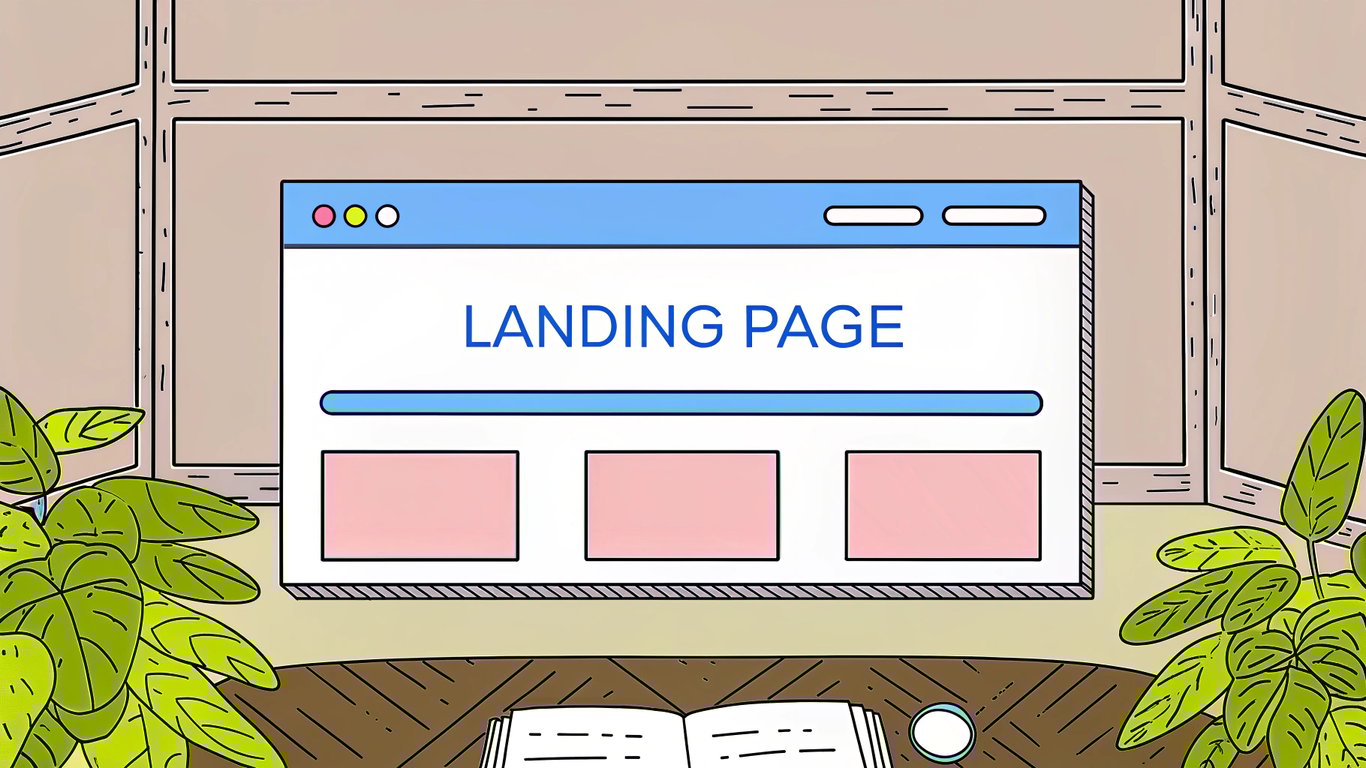
Essential Elements of a High-Converting Aesthetic Landing Page
Your landing page has one job: get the visitor to give you their contact information. Everything else is distraction.
Start with a headline that matches your ad. If your ad promised information about Botox, your landing page headline should mention Botox specifically. Don’t make people hunt for what they clicked on.
Include social proof immediately. Patient reviews, number of treatments performed, years in practice. These trust signals need to be visible without scrolling.
Show provider credentials prominently. Medical director’s photo, certifications, training background. People want to know who will be performing their treatment.
Your call-to-action should be crystal clear. ‘Book Free Consultation’ or ‘Schedule Your Visit’ works better than vague buttons like ‘Learn More’ or ‘Get Started.’
Lead Capture Forms: What to Ask and What to Skip
Every form field you add decreases conversion rates. But you need enough information to follow up effectively. Here’s the balance:
Always ask for: First name, phone number, email. That’s the minimum to contact someone.
Consider asking for: Treatment interest (dropdown menu), preferred contact method, best time to call. This helps you personalize follow-up.
Skip: Last name (not needed initially), address, detailed medical history, budget. Save these questions for the phone call or consultation.
Use conditional logic if your platform supports it. If someone selects ‘body contouring’ as their interest, show a follow-up question about which areas they’re concerned about. This qualifies leads without overwhelming everyone with extra fields.
Trust-Building Elements That Overcome Aesthetic Service Hesitation
Aesthetic procedures involve trust in a way that buying a product doesn’t. Your landing page needs to address unspoken concerns.
Video testimonials are more powerful than written reviews. Seeing and hearing a real patient talk about their experience creates connection that text can’t match. Keep them short (30-60 seconds) and focused on the experience, not just results.
Before-and-after galleries should show a range of results, not just your best cases. Include different ages, skin types, and treatment areas. This helps visitors see themselves in your results.
Provider bios matter more than you think. Include photos, training background, years of experience, and personal touches. ‘Dr. Smith has performed over 10,000 injections’ is more compelling than ‘Dr. Smith is experienced.’
Mobile Optimization for Aesthetic Lead Generation
Most aesthetic searches happen on mobile devices. Your landing page needs to work perfectly on phones, not just look acceptable.
Click-to-call buttons should be prominent. Many people prefer calling over filling out forms, especially for something as personal as aesthetic treatments.
Text message options are increasingly popular. ‘Text us at [number]’ or ‘We’ll text you to schedule’ reduces friction for mobile users who don’t want to talk on the phone right now.
Forms need large, easy-to-tap fields. Dropdown menus should be simple. Auto-fill should work properly. Test your forms on actual phones, not just desktop browsers resized to mobile dimensions.
Stage 3: Immediate Lead Response – The Critical First Contact
The 5-Minute Rule: Why Speed Matters in Aesthetic Lead Generation
Research shows that contacting a lead within five minutes makes them 21 times more likely to convert compared to waiting 30 minutes. For aesthetic services, this matters even more because your competitors are probably calling too.
Set up systems to ensure rapid response during business hours. This might mean dedicated staff monitoring leads, mobile alerts for new submissions, or automated text responses that set expectations for callback timing.
After hours, automated responses are essential. A text message saying ‘Thanks for your interest in [treatment]. We’ll call you tomorrow morning at 9am. Reply YES to confirm this time works’ keeps the conversation going even when you’re closed.
First Contact Phone Scripts for Aesthetic Consultations
Here’s a script that works for initial calls:
‘Hi [Name], this is [Your Name] from [Clinic Name]. You just requested information about [treatment] on our website. Is now a good time to chat for a few minutes?’
[If yes] ‘Great. I’d love to learn more about what you’re hoping to achieve. What got you interested in [treatment]?’
[Listen to their answer, then] ‘That makes sense. Have you had [treatment] before, or would this be your first time?’
[Based on their experience level, provide relevant information] ‘The best next step is a complimentary consultation where [provider name] can assess your specific situation and create a personalized treatment plan. We have openings this week on [specific days/times]. Which works better for you?’
Notice this script asks questions instead of launching into a sales pitch. You’re gathering information and building rapport before pushing for the appointment.
Text Message Scripts for Modern Aesthetic Patients
Many leads prefer texting over phone calls. Here’s an effective initial text sequence:
Message 1 (immediate): ‘Hi [Name], this is [Your Name] from [Clinic]. Thanks for your interest in [treatment]. I’d love to answer any questions. Are you available for a quick call, or would you prefer to text?’
If they prefer texting: ‘Perfect. What questions can I answer about [treatment]?’
After answering 1-2 questions: ‘I can give you much more detailed information during a free consultation. We have availability [specific times]. Which works for you?’
Keep texts conversational and brief. Don’t send paragraphs of information via text. Use it to build rapport and move toward booking.
Email Automation: The Welcome Series That Nurtures and Books
Automated emails support your phone and text outreach. Here’s a simple three-email sequence:
Email 1 (immediate): Confirm you received their request. Include provider credentials, link to before-and-after gallery, and clear booking link. Subject: ‘Your [Treatment] Information from [Clinic Name]’
Email 2 (24 hours later): Educational content about the treatment. Address common questions and concerns. Include patient testimonial. Subject: ‘What to Expect with [Treatment]’
Email 3 (3 days later): Limited-time offer or urgency element. ‘We have a few consultation spots left this week’ or ‘Book by Friday for [incentive].’ Subject: ‘Ready to Schedule Your Consultation?’
Stage 4: The Follow-Up Cadence – Turning Interested Leads into Booked Consultations
The 30-Day Follow-Up Calendar: Day-by-Day Touchpoint Strategy
Most aesthetic leads don’t book on the first contact. They need multiple touchpoints across different channels. Here’s a proven follow-up calendar:
- Day 1: Phone call + text + email (immediate response)
- Day 2: Follow-up phone call if no answer on Day 1
- Day 3: Text message with specific value (patient testimonial or before/after)
- Day 5: Email with educational content
- Day 7: Phone call with different angle
- Day 10: Text with limited-time offer
- Day 14: Phone call + email
- Day 21: Final text message
- Day 30: Break-up email (‘Should we close your file?’)
This seems like a lot, but remember that people are busy and often need reminders. The key is varying your approach and providing value with each touchpoint, not just asking ‘Are you ready to book yet?’
Handling Common Objections in Aesthetic Lead Follow-Up
You’ll hear the same objections repeatedly. Here’s how to address them:
‘I need to think about it’: ‘I completely understand. What specific concerns do you have that I can address?’ Then tackle those concerns directly.
‘It’s too expensive’: ‘I hear you. Many of our patients felt the same way initially. We offer financing options that make treatments affordable. Would you like to hear about those?’
‘I’m worried about looking unnatural’: ‘That’s actually the most common concern we hear. Our approach focuses on subtle, natural-looking results. That’s why we recommend starting with a consultation so you can see examples and discuss your specific goals.’
‘I need to talk to my spouse’: ‘Of course. Would it help if I sent you some information you could share with them? Or they’re welcome to join you for the consultation.’
Stage 5: Consultation Booking Optimization and Confirmation
Removing Friction: Online Scheduling vs. Phone Booking
Online scheduling tools can increase booking rates by making it easy for people to schedule on their own time. But they need to be implemented correctly for aesthetic practices.
Show real availability, not fake slots. Nothing frustrates people more than selecting a time only to be told it’s not actually available.
Keep the booking process simple. Name, phone, email, preferred date/time. Don’t require account creation or extensive forms before booking.
Some practices find that phone booking still converts better for higher-ticket treatments because it allows for qualification and relationship building. Consider offering both options and tracking which performs better for your specific services.
Consultation Confirmation and Reminder Sequences
Booking the consultation isn’t the finish line. You need to make sure they actually show up.
Immediate confirmation: Send confirmation email and text within minutes of booking. Include date, time, location, parking information, and what to expect.
7-day reminder: Email with preparation tips. ‘Your consultation is coming up next week. Here’s what to expect and how to prepare.’
24-hour reminder: Text and email. ‘Looking forward to seeing you tomorrow at [time]. Reply YES to confirm or call us if you need to reschedule.’
Day-of reminder: Text message 2-3 hours before. ‘Your consultation is today at [time]. See you soon!’
Reducing No-Shows: Deposit Strategies and Commitment Techniques
Some practices require deposits for consultations, especially for more extensive treatments or if no-shows have been a problem. This can reduce no-shows but might also reduce booking rates.
If you implement deposits, make them reasonable ($25-50) and clearly communicate that they’re applied toward treatment if they proceed. Frame it as securing their appointment time, not as a barrier.
Commitment techniques that don’t require money can also work. Having patients confirm their appointment 24 hours in advance, asking them to add it to their calendar during booking, or sending a calendar invite all increase show rates.
Technology Stack and Tools for Aesthetic Lead Generation Automation
The right tools make your funnel run smoothly without requiring constant manual work. Here’s what to consider:
CRM Systems Built for Aesthetic Practices
A customer relationship management system tracks every lead and interaction. For aesthetic practices, you need one that handles appointment scheduling, treatment tracking, and automated follow-up.
Look for systems that integrate with your booking software and can send automated emails and texts. The ability to segment leads by treatment interest is valuable for personalized follow-up.
Tracking and Attribution: Knowing Which Ads Drive Consultations
You need to know which marketing channels are actually generating consultations and revenue, not just leads. Connecting your ad platforms and CRM so every lead and booked appointment is tagged properly is essential.
Setting up UTM parameters on your ad links lets you track which specific campaigns drive results. Call tracking numbers for different marketing channels show which ads generate phone calls.
This tracking reveals which platforms and messages work best for your practice, letting you invest more in what’s profitable and cut what isn’t.
Measuring, Testing, and Optimizing Your Aesthetic Lead Generation Funnel
Creating Your Funnel Dashboard: Metrics That Matter
Build a simple dashboard that shows your key metrics at a glance. You don’t need fancy software. A spreadsheet updated weekly works fine.
Track leads by source (Facebook, Google, Instagram), conversion rates at each stage (lead to consultation, consultation to treatment), cost per consultation, and revenue by treatment type.
Review this dashboard weekly to spot trends. If your lead-to-consultation rate drops, you know to focus on your follow-up process. If consultation-to-treatment rate is low, the issue is probably in the consultation itself, not your marketing.
A/B Testing Strategies for Each Funnel Stage
Test one element at a time so you know what’s actually making a difference. Run tests long enough to get meaningful data, typically at least 100 conversions per variation.
For ads, test different images, headlines, and calls-to-action. For landing pages, test headlines, form length, and trust elements. For follow-up, test timing and messaging approaches.
Small improvements at each stage compound. A 10% improvement in ad click-through rate, landing page conversion, and consultation booking rate results in a 33% overall improvement in your funnel performance.
Scaling What Works: From $1K to $10K Monthly Ad Spend
Once you have a profitable funnel, scaling is about doing more of what works while maintaining quality.
Increase ad spend gradually, typically 20-30% per week. Sudden budget increases can disrupt platform algorithms and increase costs.
As lead volume increases, you’ll need more staff to handle follow-up. One person can typically manage 50-75 active leads effectively. Plan to hire before you’re overwhelmed.
Expand to new platforms and audiences once you’ve maximized your initial channels. If Facebook is working well, test Instagram or Google. If one treatment is profitable, apply the same funnel to other services.
Building a high-converting aesthetic lead generation funnel takes work upfront, but it creates a predictable system for growing your practice. Focus on one stage at a time, measure everything, and continuously improve based on data rather than guesses. The practices that succeed with aesthetic marketing are the ones that treat it as a system, not a series of random tactics.