

The aesthetic industry is experiencing unprecedented growth, but here’s the uncomfortable truth: most med spas are still marketing like it’s 2015. While you’ve invested in the latest laser technology and hired skilled practitioners, your marketing strategy probably looks like a patchwork quilt of random tactics that don’t quite work together.
I’ve watched countless med spa owners throw money at Facebook ads one month, then pivot to SEO the next, then abandon both for influencer partnerships. The result? Inconsistent leads, unpredictable revenue, and a marketing budget that feels more like a black hole than an investment.
This guide breaks down the essential med spa marketing services you actually need and shows you how to combine them into a strategy that generates consistent, high-quality bookings. No fluff, no outdated tactics, just what’s working right now in 2026.
Why Traditional Marketing No Longer Works for Med Spas
Remember when you could run a newspaper ad or sponsor a local event and watch new clients walk through your door? Those days are gone. Your potential clients aren’t flipping through the Yellow Pages or waiting for direct mail postcards.
They’re scrolling Instagram at 11 PM researching Botox providers. They’re Googling “best med spa near me” while sitting in their car. They’re watching before-and-after videos on TikTok and reading reviews on Google Business Profile before they ever pick up the phone.

The aesthetic industry has shifted to a digital-first consumer journey. Most clients research 3-5 providers before booking their first consultation, and 78% of that research happens online. If you’re not showing up in those digital moments, you’re invisible to your ideal clients.
The ROI Reality: What Med Spa Owners Should Expect
Let’s talk numbers because unrealistic expectations kill more marketing strategies than bad execution. If an agency promises you’ll double your revenue in 30 days, run. That’s not how this works.
SEO typically takes 6-12 months to show meaningful results. You’re building authority, not buying instant visibility. PPC can generate leads immediately, but you’ll spend the first 2-3 months optimizing campaigns to get your cost per acquisition down to profitable levels. Social media advertising sits somewhere in between, with most med spas seeing traction within 60-90 days.

A realistic marketing budget for most med spas ranges from 7-12% of gross revenue. If you’re doing $500,000 annually, that’s $35,000-$60,000 per year on marketing. New practices might need to invest more aggressively (15-20%) to build momentum, while established practices with strong word-of-mouth can sometimes operate at the lower end.
How to Use This Guide to Build Your Custom Marketing Stack
This isn’t a one-size-fits-all playbook. A brand-new med spa in a competitive market needs a different approach than an established practice looking to scale. Your marketing mix should reflect your current situation, budget, and growth goals.
As you read through each section, ask yourself three questions: Does this channel reach my ideal client? Can I afford to execute it properly? Do I have the resources (time, team, budget) to maintain it consistently? If you answer no to any of these, that channel probably isn’t right for you right now.
Core Med Spa Marketing Services: A Deep Dive
Search Engine Optimization (SEO) for Med Spas
SEO is the long game, but it’s also the most valuable asset you can build. When someone searches “Botox near me” or “laser hair removal [your city],” you want to own those results. Unlike paid ads that disappear when you stop paying, SEO compounds over time.
Local SEO matters most for med spas. Your Google Business Profile is probably your most important digital asset. Keep it updated with accurate hours, services, photos, and respond to every review. Google prioritizes businesses that actively manage their profiles.
On-page optimization means creating service pages for each treatment you offer. Don’t just list “injectables.” Create separate, detailed pages for Botox, dermal fillers, Dysport, and other specific treatments. Include pricing (if you’re comfortable), before-and-after photos, what to expect, and answers to common questions.
Content strategy for med spas should focus on educational blog posts that answer real questions your clients ask. “How long does Botox last?” “What’s the difference between microneedling and chemical peels?” These posts build authority and capture people early in their research phase.
Pay-Per-Click Advertising (PPC) Strategies
PPC through Google Ads gives you immediate visibility. You’re buying your way to the top of search results while your SEO efforts build momentum. The key is understanding which campaigns to run and how to structure them for med spas.
Search campaigns target people actively looking for your services right now. These are your highest-intent leads. Display campaigns show visual ads across Google’s network, great for building awareness but typically lower conversion rates. Remarketing campaigns follow people who visited your website but didn’t book, reminding them to come back.
Budget allocation matters. Most successful med spas put 60-70% of their PPC budget into search campaigns, 20-30% into remarketing, and 10-20% into display for brand awareness. Start conservative, track everything, and scale what works.
Social Media Advertising: Instagram, Facebook & Beyond
Social media advertising is where med spas can really shine because aesthetic treatments are inherently visual. Instagram and Facebook ads let you target people based on demographics, interests, and behaviors that align perfectly with your ideal client.
Your creative matters more here than anywhere else. Before-and-after photos (following platform guidelines), treatment videos, and client testimonials perform best. But you need to understand the compliance rules. Most platforms restrict certain claims and require disclaimers for medical procedures.
Targeting options are incredibly specific. You can reach women aged 35-55 within 15 miles of your location who are interested in skincare, anti-aging, and wellness. You can exclude people who already follow you (they’re probably existing clients). You can create lookalike audiences based on your best customers.
Marketing Automation & CRM Systems
Marketing automation is the difference between working in your business and building systems that work for you. Once someone books a consultation, automation takes over with appointment reminders, pre-visit instructions, post-treatment care emails, and follow-up sequences.
Email marketing automation for med spas should include welcome sequences for new subscribers, educational nurture campaigns for people not ready to book yet, and retention campaigns for existing clients. A simple automation: send an email 3 months after someone gets Botox reminding them it’s time for their next appointment.
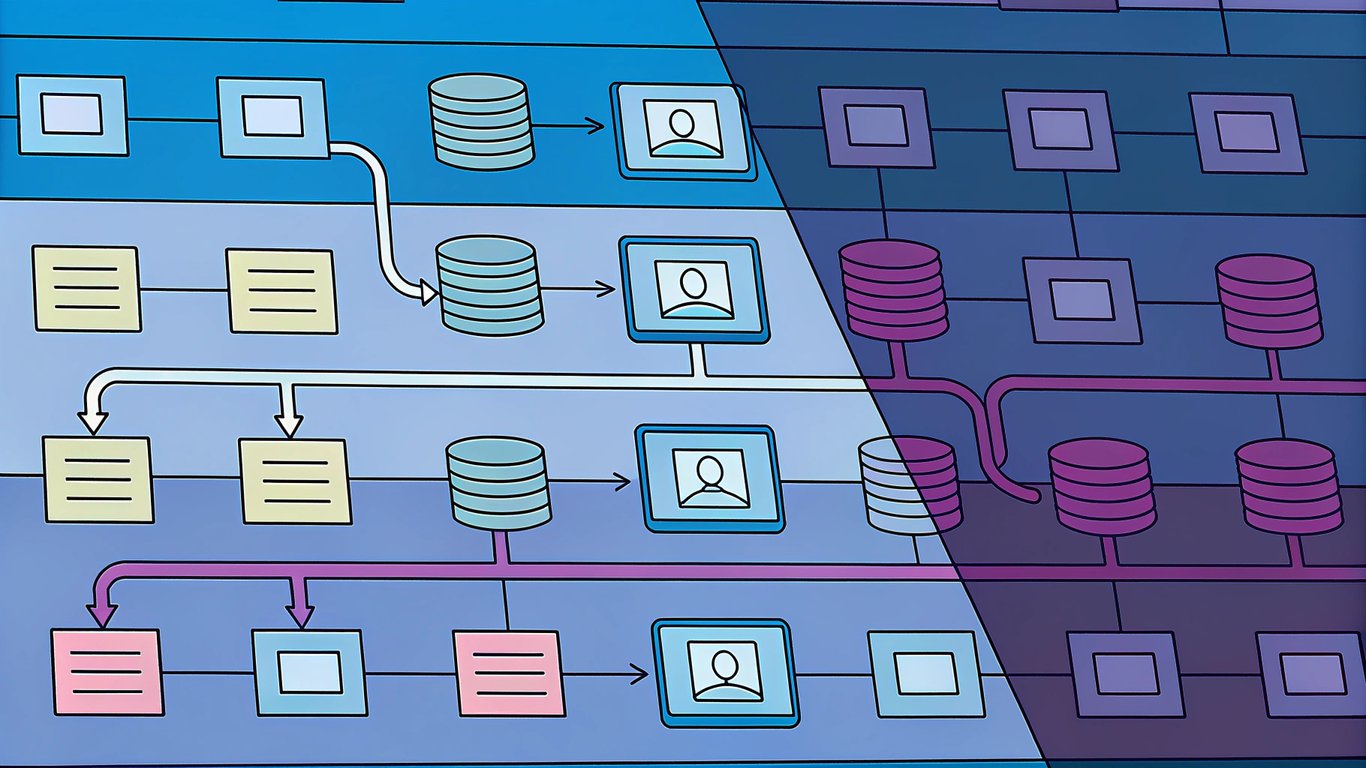
CRM systems track every interaction with leads and clients. You’ll know who inquired about what service, when they last visited, what treatments they’ve had, and what they might be interested in next. This data becomes incredibly valuable for personalized marketing.
Website Optimization & Conversion Rate Optimization
Your website is your digital storefront, and most med spa websites are terrible at converting visitors into bookings. Beautiful design matters, but conversion-focused elements matter more.
Mobile optimization isn’t optional anymore. Over 60% of med spa website traffic comes from mobile devices. If your site doesn’t load fast and look great on phones, you’re losing half your potential clients before they even see your services.
Online booking systems remove friction from the conversion process. Every extra step between “I want this treatment” and “I’ve booked my appointment” is an opportunity for people to change their minds. Integrate scheduling directly into your website with real-time availability.
Before-and-after galleries need to be prominent, organized by treatment type, and include details about the procedure. These visual proof points are often the deciding factor for potential clients.
Content Marketing & Video Production
Content marketing builds trust and authority over time. Blog posts, videos, and educational resources position you as the expert in your market. This isn’t about going viral; it’s about creating helpful content that answers questions and builds confidence.
Video content performs exceptionally well for med spas. Treatment explainer videos, provider introductions, facility tours, and client testimonials all help potential clients feel comfortable before they ever visit. You don’t need Hollywood production quality. Authentic, informative videos shot on a smartphone often outperform overly polished content.
Blog content should target specific questions and concerns. Write about recovery times, pain levels, cost comparisons, and what to expect. These posts capture people in the research phase and guide them toward booking.
Reputation Management & Review Generation
Your online reputation is your most valuable marketing asset. Before someone books with you, they’re reading your reviews. A 4.8-star rating with 200 reviews will outperform a 5.0-star rating with 12 reviews every time.
Systematic review generation means asking every happy client to leave a review. Not just hoping they will, but having a process. Send a follow-up email 3-5 days after their appointment with direct links to your Google, Facebook, and Yelp profiles.
Response strategies matter just as much as getting reviews. Respond to every review, positive and negative, within 24-48 hours. Thank people for positive feedback. Address concerns in negative reviews professionally and offer to make things right. Future clients are watching how you handle criticism.
Understanding Costs, Timelines & Expected Results
Pricing Models: What to Expect for Each Service
Med spa marketing services typically follow one of three pricing models: monthly retainers, project-based fees, or percentage of ad spend. Understanding these models helps you evaluate proposals and budget appropriately.
SEO services usually run on monthly retainers, typically ranging from $1,500 to $5,000 per month depending on market competitiveness and scope. You’re paying for ongoing optimization, content creation, link building, and technical maintenance.
PPC management often charges a percentage of ad spend (typically 15-20%) or a flat monthly fee. If you’re spending $5,000 per month on Google Ads, expect to pay an additional $750-$1,000 for management. Some agencies charge flat fees ranging from $1,000 to $3,000 monthly regardless of ad spend.
Social media advertising management follows similar models, with monthly retainers typically between $1,000 and $3,000 plus your actual ad spend. Website projects are usually one-time investments ranging from $5,000 to $25,000 depending on complexity and features.
Timeline to Results: Setting Realistic Expectations
Different marketing channels deliver results on different timelines. Understanding this prevents frustration and helps you plan cash flow appropriately.
- PPC (Google Ads): Immediate traffic, but 2-3 months to optimize for profitability
- Social Media Ads: 30-60 days to dial in targeting and creative
- SEO: 6-12 months for significant organic traffic growth
- Content Marketing: 4-6 months before seeing meaningful traffic from blog posts
- Email Marketing: Immediate for existing list, 3-6 months to build a substantial list
- Reputation Management: Ongoing, but 3-6 months to build a strong review profile
The most successful med spas layer these channels strategically. Start with PPC for immediate leads while building SEO for long-term sustainability. Add social media advertising once you’ve proven your offer converts. Build automation and content marketing as you scale.
Key Performance Indicators for Med Spa Marketing
You can’t improve what you don’t measure. These are the metrics that actually matter for med spa marketing:
- Cost Per Lead (CPL): How much you spend to get one inquiry or consultation request
- Cost Per Acquisition (CPA): How much you spend to get one paying client
- Conversion Rate: Percentage of website visitors who book appointments
- Lifetime Customer Value (LCV): Average revenue generated per client over their relationship with you
- Return on Ad Spend (ROAS): Revenue generated for every dollar spent on advertising
- Booking Rate: Percentage of consultations that convert to treatments
Most profitable med spas aim for a 3:1 to 5:1 return on marketing spend. If you spend $10,000 on marketing, you should generate $30,000 to $50,000 in revenue. Anything below 3:1 needs optimization. Anything above 5:1 means you should probably increase your marketing budget.
Assembling Your Effective Med Spa Marketing Mix
The Starter Stack: Essential Services for New Med Spas
If you’re just launching or operating on a tight budget ($2,000-$5,000 monthly), focus on these foundational elements that deliver the highest immediate impact.
Your website needs to be professional, mobile-optimized, and conversion-focused. This is non-negotiable. Allocate $5,000-$10,000 for a quality website build with online booking integration.
Google Business Profile optimization costs nothing but time. Claim your profile, add photos, post updates weekly, and respond to reviews. This alone can generate significant local visibility.
Basic local SEO ($1,000-$2,000 monthly) ensures you show up for “med spa near me” searches. This includes optimizing your website for local keywords, building citations, and creating location-specific content.
Small Google Ads budget ($1,500-$3,000 monthly including ad spend and management) targeting your highest-value treatments. Start with search campaigns for specific procedures like “Botox [your city]” or “laser hair removal [your city].”
The Growth Stack: Scaling Established Practices
Once you’re generating consistent revenue and ready to scale ($5,000-$15,000 monthly marketing budget), expand your marketing mix strategically.
Increase your SEO investment ($2,500-$5,000 monthly) to include comprehensive content marketing, link building, and technical optimization. You’re building a long-term asset that compounds over time.
Scale your PPC campaigns ($3,000-$7,000 monthly including ad spend) to cover more services and expand your geographic reach. Add remarketing campaigns to recapture people who didn’t book on their first visit.
Add social media advertising ($2,000-$5,000 monthly including ad spend) on Instagram and Facebook. Focus on visual content showcasing results and building brand awareness.
Implement marketing automation ($500-$1,500 monthly) with email sequences, SMS reminders, and CRM integration. This improves conversion rates and client retention without adding staff.
The 70-20-10 Budget Allocation Framework
Here’s a proven framework for allocating your marketing budget across channels: 70% to proven channels that consistently deliver results, 20% to growth opportunities you’re testing and optimizing, and 10% to experimental tactics that might become your next big winner.
For most med spas, the 70% goes to Google Ads and SEO because these channels have proven ROI. The 20% might go to social media advertising you’re still optimizing or content marketing you’re building. The 10% could be testing TikTok ads, influencer partnerships, or new platforms.
This framework prevents you from abandoning working channels while still allowing room for innovation and growth. Review and rebalance quarterly based on performance data.
Choosing the Right Med Spa Marketing Services Provider
Red Flags: Warning Signs of Ineffective Marketing Agencies
Not all marketing agencies are created equal, and the wrong partner can waste months of time and tens of thousands of dollars. Watch for these warning signs.
Guaranteed rankings or results are impossible to promise. SEO depends on hundreds of factors, many outside anyone’s control. Any agency guaranteeing first-page rankings is either lying or using tactics that will get you penalized.
Lack of healthcare or aesthetic industry experience means they’ll be learning on your dime. Medical marketing has unique compliance requirements, patient privacy considerations, and industry-specific best practices. Generic marketing agencies often struggle in this space.
Poor communication or vague reporting suggests they’re hiding poor performance. You should receive detailed monthly reports showing exactly what they did, what results they achieved, and what they’re planning next.
Essential Questions to Ask Potential Marketing Partners
Before signing any contract, ask these critical questions and evaluate the answers carefully.
- How many med spa or aesthetic clients do you currently work with?
- Can you share case studies with specific results and timelines?
- What’s your typical contract length and what are the cancellation terms?
- Who will be my main point of contact and what’s their experience?
- What reporting will I receive and how often?
- Do you have experience with healthcare advertising compliance?
- What happens if we don’t see results in the first 90 days?
- What tools and platforms do you use for tracking and reporting?
Pay attention to how they answer. Vague responses or deflection are red flags. Good agencies will answer these questions confidently with specific examples.
Understanding Contracts, Commitments & Exit Clauses
Marketing contracts typically require 3-6 month commitments, which is reasonable given the time needed to see results. Be wary of agencies requiring 12-month contracts upfront, especially if you’re a new client.
Exit clauses should allow you to cancel with 30-60 days notice after the initial commitment period. Some agencies charge cancellation fees, which is acceptable if disclosed upfront. What’s not acceptable is being locked into a contract with no way out if performance is poor.
Ownership of assets matters. Your website, content, ad accounts, and analytics should belong to you. Some agencies try to retain ownership, which leaves you starting from scratch if you switch providers.
Measuring Success & Continuous Improvement
Setting Up Proper Tracking & Analytics
You can’t optimize what you can’t measure. Proper tracking infrastructure is the foundation of successful marketing.
Google Analytics 4 should be installed on your website tracking key events like form submissions, phone calls, and booking completions. Set up conversion tracking so you know exactly which marketing channels are driving actual appointments.
Call tracking assigns unique phone numbers to different marketing channels so you know whether a call came from Google Ads, organic search, or social media. This data is crucial for understanding true ROI.
Form tracking monitors every contact form submission, consultation request, and email signup. Connect this data to your CRM so you can track leads through your entire sales funnel.
When to Pivot: Recognizing What’s Not Working
Not every marketing channel will work for every med spa. Knowing when to cut your losses and reallocate budget is just as important as knowing what to invest in.
Give new channels at least 90 days before making major decisions. Some tactics need time to optimize. But if you’re 6 months into an SEO campaign with zero improvement in rankings or traffic, something’s wrong.
Watch your cost per acquisition closely. If a channel consistently delivers leads at 2-3x your target CPA and optimization efforts haven’t improved it, that channel probably isn’t right for your market.
Building Your Med Spa Marketing Success Story
The Most Common Mistakes to Avoid
After working with dozens of med spas, I’ve seen the same mistakes repeated over and over. Avoid these and you’ll be ahead of 80% of your competition.
Spreading your budget too thin across too many channels means you can’t execute any of them well. Better to dominate 2-3 channels than to dabble in 7-8.
Expecting immediate results from long-term strategies leads to premature abandonment. SEO takes time. Content marketing takes time. Give strategies adequate time to work before pulling the plug.
Ignoring existing clients while chasing new ones is expensive and shortsighted. It costs 5-7x more to acquire a new client than to retain an existing one. Build retention and referral programs into your marketing mix.
Your Next Steps: Action Items to Implement Today
Don’t let this guide become another piece of content you read and forget. Take action on these items this week.
- Audit your current marketing spend and calculate your actual ROI for each channel
- Claim and optimize your Google Business Profile if you haven’t already
- Set up Google Analytics 4 and conversion tracking on your website
- Create a realistic marketing budget based on your revenue goals
- Research 3-5 med spa marketing agencies and schedule discovery calls
- Document your current lead sources and conversion rates
- Set up a systematic review generation process for happy clients
The med spas that win in 2026 won’t be the ones with the biggest budgets. They’ll be the ones with the smartest strategies, the most consistent execution, and the willingness to invest in proven med spa marketing services that actually drive results. Your perfect marketing mix is out there. Ready to build it? Book a call with our experts today.