

The aesthetic medicine industry is booming, but most med spa owners hit a wall somewhere between $500K and $1M in annual revenue. You’re busy, your treatment rooms are full, but you can’t seem to break through to the next level.
Here’s what’s different in 2026: consumers now buy through social channels and expect flexible payment options. Your tech stack either enables growth or quietly kills it. The practices that scale aren’t just working harder; they’ve built systems that work without them.
Why Most Med Spas Plateau (And How to Avoid It)
Three things typically stop growth dead in its tracks. First, you’re the bottleneck. If you’re still doing consultations, managing inventory, and handling marketing, you’ve capped your own growth. Second, your operations can’t handle more volume. When appointment slots fill up but you can’t add capacity, you’re turning away revenue. Third, you’re losing predictable income because your systems leak money through no-shows, forgotten follow-ups, and clients who ghost after one treatment.
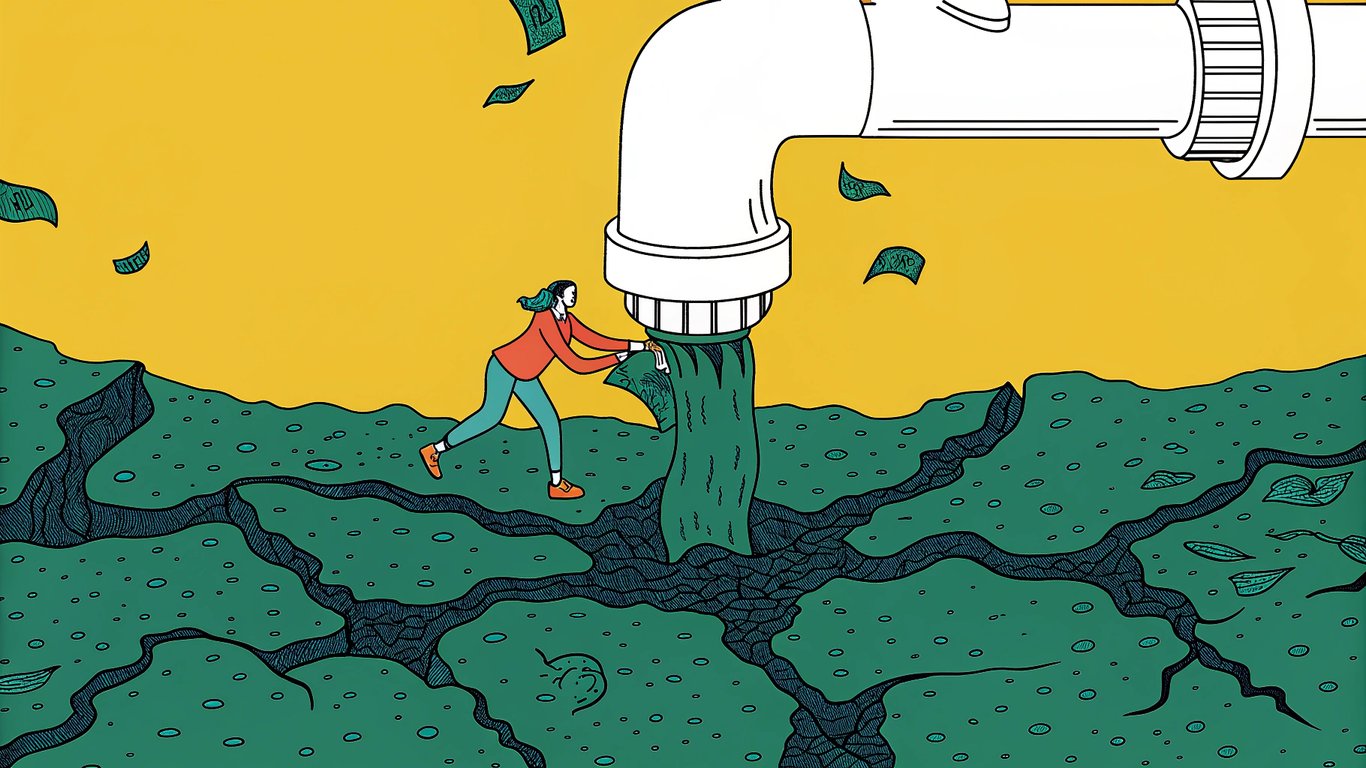
The practices that push past these barriers share something in common: they treat their business like a business, not just a clinical practice.
The 4-Pillar Growth Framework Overview
Learning how to grow a med spa requires balancing four interconnected systems. Operations create the capacity for growth. Marketing fills that capacity with qualified clients. Pricing ensures profitability at scale. Staffing delivers the service quality that keeps clients coming back.
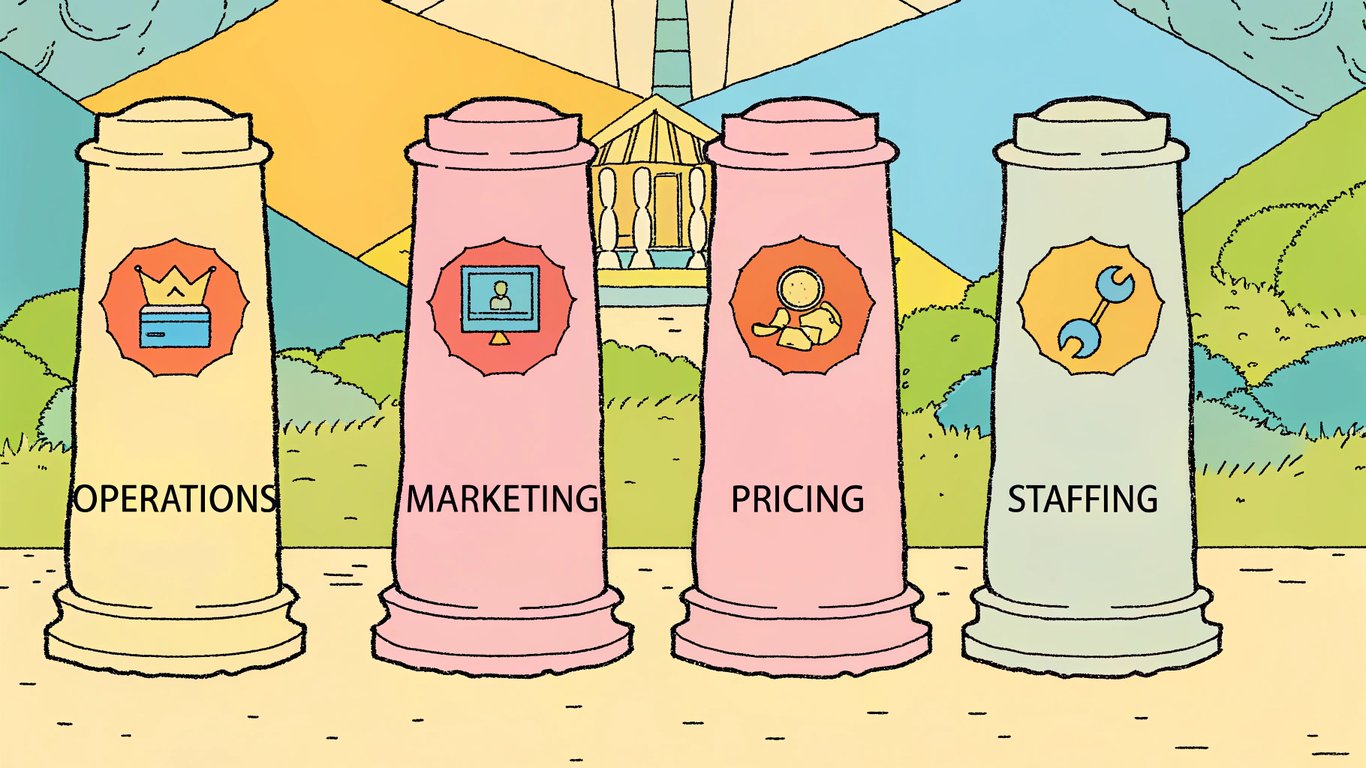
Most owners focus on just one pillar, usually marketing, then wonder why growth stalls. You can’t market your way out of operational chaos. You can’t hire your way out of pricing problems. Everything needs to work together.
Assessing Your Current Growth Readiness
Before you scale, you need to know where you stand. Ask yourself these questions:
- Can you handle 30% more appointments next month without compromising quality?
- Do you know your client acquisition cost and lifetime value?
- Could your business run for a week without you?
- Are your treatment rooms utilized above 60% during peak hours?
- Do you have documented processes for every role?
If you answered no to more than two, you’re not ready to scale yet. That’s okay. This framework will get you there.
Building Scalable Operations That Support Growth
Operations are the unsexy foundation of growth. You can’t see them working, but you definitely notice when they break.
Operational Baseline Assessment: Where Are You Now?
Start by tracking your current capacity. How many treatment rooms do you have? What’s your average appointment duration by service type? Calculate your theoretical maximum appointments per week, then compare it to your actual bookings. The gap between these numbers reveals your growth potential before adding physical space or staff.
Look at your client flow from booking to checkout. Where do people wait? Where do bottlenecks form? Time each step of your process. If clients spend 15 minutes in your waiting room before every appointment, that’s a capacity problem disguised as a customer service issue.
Technology Stack Optimization for 2026
Your software either multiplies your team’s effectiveness or wastes their time. At minimum, you need practice management software that handles scheduling, a proper CRM for client communications, and online booking that works on mobile devices.
Many med spas cobble together five different tools that don’t talk to each other. Your front desk manually enters the same client information into three systems. That’s not just inefficient; it’s costing you money every single day.
Automation tools should handle appointment reminders, follow-up sequences, and review requests without human intervention. If your team is manually texting appointment reminders, you’re burning staff capacity that could be spent on revenue-generating activities.
Streamlining Client Journey and Treatment Protocols
Standardization doesn’t mean robotic service. It means every client gets the same excellent experience regardless of which provider they see. Document your intake process, consultation flow, treatment protocols, and post-care instructions. When everything is standardized, you can train new staff faster and maintain quality as you grow.
Create templates for everything: consultation notes, treatment plans, consent forms, aftercare instructions. Your providers shouldn’t be reinventing the wheel for every client.

Metrics That Matter: KPIs for Operational Excellence
Track these numbers weekly:
- Appointment utilization rate (booked slots divided by available slots)
- Average service time by treatment type
- No-show and cancellation rates
- Treatment room turnover time
- Client wait time from scheduled appointment to actual start
These metrics tell you where you’re losing capacity and money. A 10% no-show rate might not sound terrible until you calculate the annual revenue impact.
Strategic Marketing to Drive Consistent Demand
Marketing for med spas in 2026 looks different than it did even two years ago. Social commerce is real. People book treatments directly through Instagram. Your website needs to convert mobile visitors, not just look pretty on a desktop.
Building Your Med Spa Marketing Foundation
Before you spend a dollar on ads, get clear on who you’re targeting. Your ideal client isn’t just “women aged 30-55 with disposable income.” Get specific. What’s her annual household income? What does she do for work? Where does she currently get aesthetic treatments? What results is she trying to achieve?
Your positioning should differentiate you from the med spa down the street. Maybe you specialize in natural-looking results. Maybe you’re the luxury option. Maybe you’re the science-backed, medical-first practice. Pick a lane and own it.
Website Optimization and SEO Strategy
Your website needs to do three things: rank in local search, educate potential clients, and convert visitors into bookings. Create dedicated service pages for every treatment you offer. Include before-and-after photos (with proper consent), pricing information, and clear calls-to-action.
Local SEO matters more for med spas than almost any other business. Claim and optimize your Google Business Profile. Get listed in local directories. Build citations with consistent NAP (name, address, phone) information across the web.
Social Media Marketing for Med Spas in 2026
Instagram and TikTok aren’t optional anymore. They’re where your clients discover new treatments and decide where to book. Post educational content about procedures, show real results (with permission), and give behind-the-scenes glimpses of your practice.
The content that performs best typically falls into these categories: treatment education, before-and-afters, client testimonials, provider expertise, and trending audio with aesthetic medicine angles. Consistency matters more than perfection. Three posts per week beats one perfect post per month.
Paid Advertising That Actually Converts
Google Ads work well for high-intent searches like “Botox near me” or “lip filler [your city].” Meta ads (Facebook and Instagram) excel at building awareness and retargeting website visitors. Budget allocation depends on your market, but many successful med spas spend 60% on Meta and 40% on Google.
Track your return on ad spend religiously. If you’re spending $500 to acquire a client with a $300 lifetime value, your math doesn’t work. Aim for at least 3:1 ROAS, preferably higher.
Reputation Management and Review Generation
Reviews drive bookings. Period. Implement a systematic process for requesting reviews from happy clients. Send the request 3-7 days after treatment when results are visible but the experience is still fresh.
Respond to every review, positive and negative. Your responses show potential clients how you handle feedback and resolve issues.
Pricing Strategy and Revenue Optimization
Pricing is psychology as much as math. Price too low and you attract bargain hunters who won’t become loyal clients. Price too high without the positioning to support it and you’ll struggle to fill your schedule.
Competitive Market Analysis and Positioning
Research what competitors charge for similar services in your area. Call as a potential client. Check their websites. Look at their social media. You’re not trying to match their prices; you’re understanding the market landscape so you can position strategically.
If you’re priced 20% above the market average, you need to clearly communicate why. Better products? More experienced injectors? Luxury environment? Make the value obvious.
Cost-Based Pricing: Understanding Your True Margins
Calculate your actual costs for each service. Include product costs, provider time, support staff time, room overhead, and equipment depreciation. Many med spa owners don’t realize they’re losing money on certain treatments until they do this math.
Your gross margin should typically be 60-70% for injectable services and 70-80% for laser and energy-based treatments. If your margins are lower, either your pricing is too low or your costs are too high.
Creating Irresistible Service Packages and Memberships
Packages and memberships create predictable revenue and increase client lifetime value. Design packages that bundle complementary treatments at a slight discount. A “Summer Glow Package” might include laser hair removal, chemical peels, and a hydrafacial.
Membership programs work especially well for treatments clients need regularly. A monthly membership that includes one syringe of filler plus discounts on other services creates recurring revenue and client loyalty.
Dynamic Pricing and Promotional Strategy
Use promotions strategically, not desperately. Running constant discounts trains clients to wait for sales. Instead, use promotions to fill specific gaps: slow days, new service launches, or seasonal opportunities.
Time-limited offers create urgency without devaluing your brand. “Book this week and save 15%” works better than permanent discounts.
Scaling Your Team to Meet Growing Demand
Your team makes or breaks your growth. Hire too early and you’re paying for unused capacity. Hire too late and you’re turning away revenue while burning out your existing staff.
Workforce Planning: Calculating Staffing Needs
Here’s a simple formula: when your providers are booked at 80% capacity for three consecutive months, it’s time to hire. Don’t wait until you’re at 100% because you’ll lose momentum during the hiring and training period.
Calculate how many appointments each provider can realistically handle per week. Factor in consultation time, treatment time, room turnover, and administrative tasks. Most injectors can handle 20-30 appointments per week depending on service mix.
Building Your Ideal Team Structure
A typical med spa team includes a medical director (often part-time), nurse injectors or physician assistants, licensed estheticians, front desk staff, and eventually a practice manager. Define clear roles and responsibilities for each position. Overlap creates confusion and conflict.
Your first hire should probably be front desk support if you’re still answering phones and checking out clients. Your second should be a provider to increase treatment capacity.
Compensation Models That Drive Performance
Compensation structures vary widely in the med spa industry. Some practices pay straight salary, others do commission-only, many use a hybrid model. Commission structures typically range from 30-50% of service revenue for providers.
Whatever model you choose, align incentives with business goals. If you want providers to build client relationships and drive repeat visits, don’t just pay per treatment. Consider bonuses for client retention rates or retail sales.
Building a Culture of Excellence and Retention
Staff turnover kills growth. Every time someone leaves, you lose institutional knowledge, client relationships, and momentum. Create a workplace people don’t want to leave.
Offer clear career paths. Provide ongoing training and education. Recognize and reward excellence. Give your team autonomy to make decisions. These things cost less than constantly recruiting and training new staff.
Your 90-Day Growth Action Plan
Theory is useless without execution. Here’s how to implement this framework in the next 90 days.
Phase 1 (Days 1-30): Foundation and Quick Wins
Week one: Audit your current operations. Track every metric mentioned in this guide. Calculate your true capacity and utilization rates. Week two: Fix your tech stack. If your systems don’t talk to each other, that’s your priority. Week three: Implement automated appointment reminders and review requests. Week four: Create or update your service packages and membership options.
These changes don’t require major investment, but they’ll immediately reduce no-shows and increase revenue per client.
Phase 2 (Days 31-60): Building Momentum
Launch or revamp your social media strategy. Post consistently for 30 days and track engagement. Start running targeted ads if you’re not already. Implement your review generation system and aim for 10 new reviews this month. If you’re at 80% capacity, start the hiring process for your next team member.
Phase 3 (Days 61-90): Scaling and Optimization
Analyze your first 60 days of data. What’s working? What’s not? Double down on successful marketing channels. Optimize your pricing based on demand. If you hired someone, they should be mostly trained and starting to generate revenue. Document everything you’ve learned and create SOPs for your new processes.
Measuring Success and Continuous Improvement
Growth isn’t a destination; it’s a process. The practices that sustain growth are the ones that measure, analyze, and adjust constantly.
Essential Med Spa Growth Metrics Dashboard
Track these KPIs monthly:
| Metric | What It Measures | Target Range |
|---|---|---|
| Revenue Growth Rate | Month-over-month revenue increase | 10-20% monthly |
| Client Acquisition Cost | Marketing spend divided by new clients | $100-300 per client |
| Client Lifetime Value | Average revenue per client over their lifetime | $2,000-5,000+ |
| Retention Rate | Percentage of clients who return | 60-80% |
| Appointment Utilization | Booked slots divided by available slots | 70-85% |
Common Pitfalls and How to Avoid Them
The biggest mistake? Scaling before you’re ready. Adding locations or staff before you’ve systematized your first location creates chaos. Fix your foundation first.
Second mistake: Competing on price. There’s always someone willing to charge less. Build your reputation on results and experience instead.
Third mistake: Neglecting your existing clients while chasing new ones. It costs 5-7 times more to acquire a new client than to retain an existing one. Don’t forget the people who already trust you.
Learning how to grow a med spa isn’t about working harder. It’s about building systems that work without you, creating consistent demand through strategic marketing, pricing for profitability, and scaling your team thoughtfully. The practices that win in 2026 are the ones that treat growth as a systematic process, not a lucky break.