

You’re spending thousands on Facebook ads. Leads come in. Some book consultations. A few become patients. Then… nothing. They disappear.
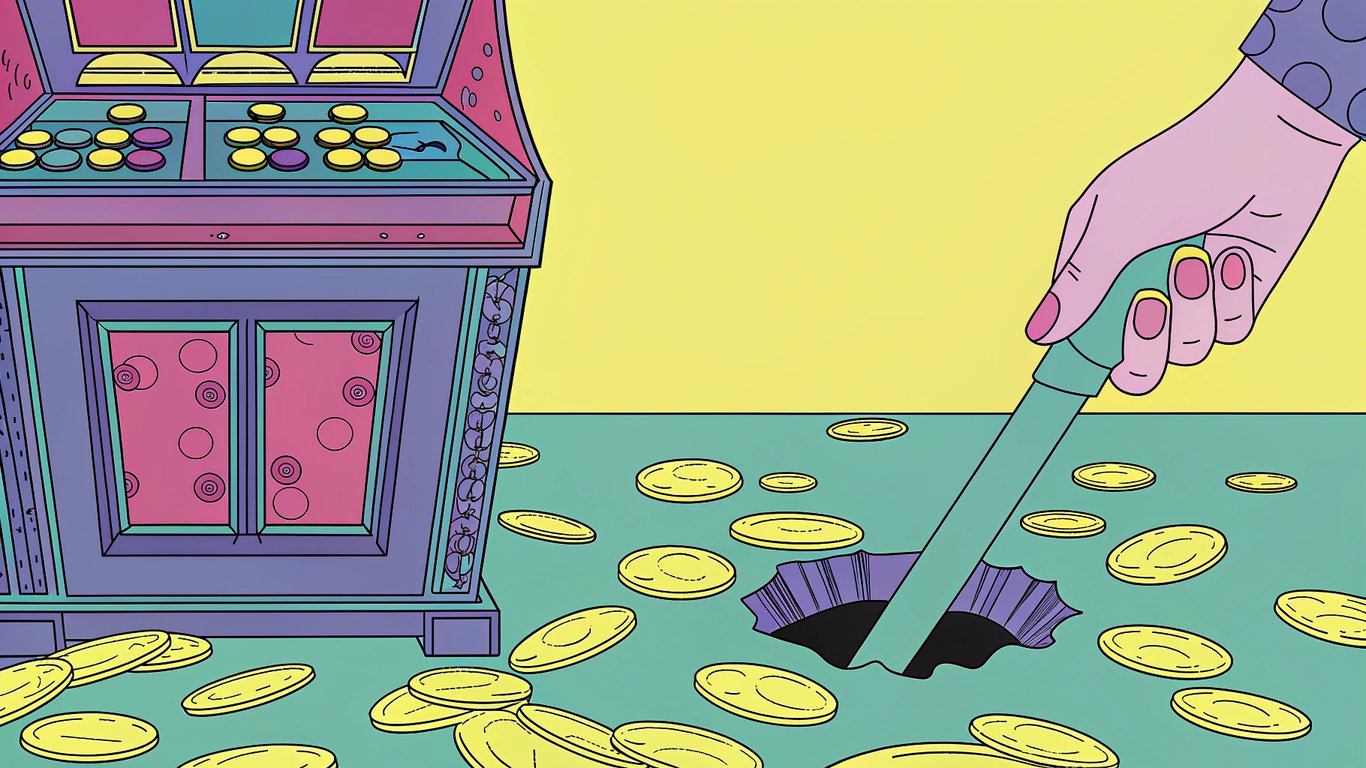
This isn’t just your problem. Most med spa owners treat marketing like a slot machine. Pull the lever (run ads), hope for wins (new patients), repeat. But here’s what they miss: the real money isn’t in getting new patients through the door. It’s in what happens after.
Patient Acquisition Costs Keep Rising
The aesthetic industry has gotten crowded. More med spas mean more competition for the same eyeballs. Digital ad costs have climbed steadily over the past few years, and that trend shows no signs of stopping.
When you’re only focused on getting new patients, you’re stuck on a treadmill. You need constant ad spend just to maintain revenue. Miss a month of marketing? Your schedule empties out.
The Four Stages That Actually Matter
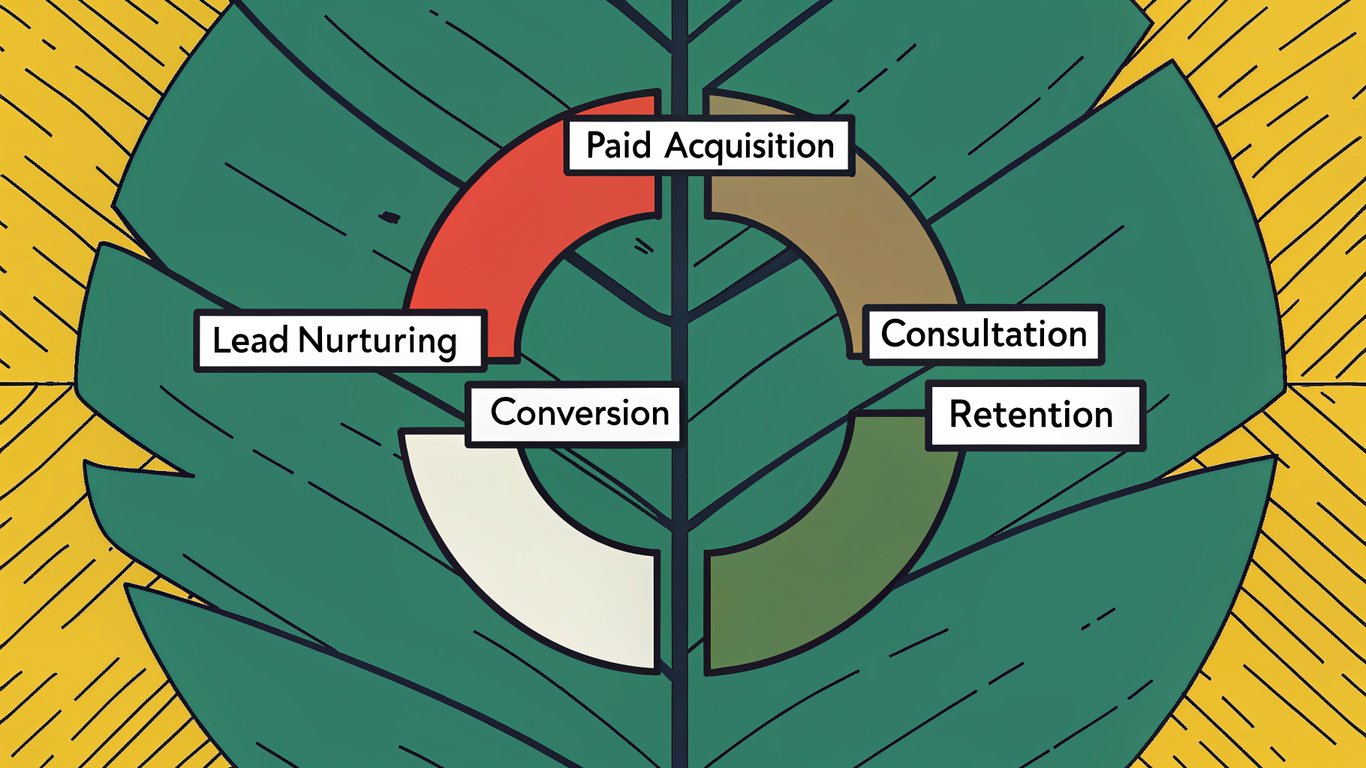
Smart med spa patient acquisition follows a lifecycle approach. Think of it as a pipeline with four distinct stages:
- Paid Acquisition: Getting qualified leads to raise their hand
- Lead Nurturing: Building trust before they book
- Consultation Conversion: Turning appointments into paying patients
- Retention: Creating repeat clients and referrals
Each stage needs its own strategy, metrics, and optimization. Most practices nail one or two stages but completely ignore the others. That’s where money leaks out.
Why Lifetime Value Changes Everything
Let’s say you spend $300 to acquire a patient who gets a $500 Botox treatment. Looks like a $200 profit, right? But if that patient never comes back, you’ve barely broken even after overhead.
Now imagine that same patient returns every four months for Botox, adds filler after six months, and refers two friends within a year. Suddenly that $300 acquisition cost looks brilliant. The patient who seemed marginally profitable becomes worth $3,000+ over their lifetime.
This is why retention economics matter more than acquisition costs. You can afford to spend more upfront when you know patients will stick around.
Getting Your First Patients Through Paid Channels
Paid advertising works for med spas, but you need to be strategic about where you spend. Different channels attract different patient types at different costs.
Picking the Right Advertising Platforms
Google Ads captures high-intent searches. Someone typing “Botox near me” is probably ready to book soon. The downside? Competition drives up costs, and you’re competing with every other practice in your area.
Facebook and Instagram ads work differently. You’re interrupting people’s scrolling with visual content. This means you need compelling before-and-after photos and clear offers. The advantage is better targeting by demographics, interests, and behaviors.
TikTok has emerged as a surprisingly effective channel for younger demographics interested in preventative treatments. The platform favors authentic, educational content over polished ads.
What Makes Ads Actually Convert
Your ad creative matters more than your budget. A mediocre ad with a big budget still loses to a great ad with modest spend.
The best-performing ads typically include real patient results, specific pricing or offers, and a clear next step. Avoid stock photos. People can spot them instantly, and they kill trust.
Your messaging should speak to a specific concern. “Look younger” is vague. “Smooth forehead lines without surgery” is specific. The more targeted your message, the better your conversion rate.
Landing Pages That Capture Leads
Don’t send ad traffic to your homepage. Create dedicated landing pages for each offer or treatment. These pages should have one goal: getting contact information.
Essential elements include multiple before-and-after galleries, patient testimonials with photos, provider credentials, and a prominent consultation booking form. Remove navigation menus and other distractions. Every element should push toward the conversion goal.
Setting Realistic Budgets
Start with what you can afford to lose while you test and optimize. Many practices begin with $1,500-$3,000 monthly across all channels. This gives you enough data to see what works without betting the farm.
Track your customer acquisition cost (CAC) by dividing total ad spend by new patients acquired. If you spend $2,000 and get 10 new patients, your CAC is $200. Whether that’s good depends on your average treatment value and patient lifetime value.
Warming Up Leads Before They Book
Someone who fills out your form isn’t ready to buy. They’re curious, maybe nervous, definitely comparing options. This is where most practices drop the ball.
Building Your Follow-Up Sequence
Set up an automated email and text sequence that starts immediately after someone submits their information. The first message should arrive within minutes, not hours.
Your sequence might look like this: immediate confirmation with next steps, educational content about their treatment of interest within 24 hours, social proof and testimonials at day 3, limited-time offer at day 7, and final follow-up at day 14.
Each message should provide value, not just push for a booking. Answer common questions. Address concerns. Build confidence in your expertise.
Content That Demonstrates Expertise
Create treatment guides, procedure videos, and detailed FAQs for your most popular services. This content serves double duty: it educates prospects and positions you as the expert.
Video works particularly well. A 2-minute video explaining what happens during a consultation or showing a treatment room can eliminate anxiety that prevents bookings.
Staying Visible with Retargeting
Install tracking pixels on your website so you can show ads to people who visited but didn’t book. These retargeting ads cost less than cold traffic and convert better because you’re reaching warm prospects.
Show different messages based on which pages they visited. Someone who looked at your Botox page should see Botox-specific retargeting ads, not generic med spa content.
Turning Consultations into Paying Patients
Getting someone to book a consultation is great. But if they don’t show up or leave without scheduling treatment, you’ve wasted time and money.
Preparing Patients Before They Arrive
Send confirmation messages immediately after booking. Follow up with a reminder 24 hours before the appointment. Include what to expect, what to bring, and how to prepare.
Have patients complete intake forms online before arriving. This saves time during the consultation and shows you’re organized and professional.
The Consultation Structure That Works
Start by understanding what brought them in. What bothers them? What results do they want? Listen more than you talk in this phase.
Then educate them about their options. Explain what different treatments can and can’t do. Set realistic expectations. This builds trust and positions you as honest, not just trying to make a sale.
Present a customized treatment plan with clear pricing. Break down costs by treatment and explain why you’re recommending this specific approach. Give them options at different price points when possible.
Presenting Pricing Without Awkwardness
Don’t apologize for your prices or act uncomfortable discussing money. Present pricing confidently as the investment required for the results they want.
Offer package deals that provide better value than single treatments. Many practices also partner with financing companies to offer payment plans, which removes the barrier of upfront cost.
Following Up with Non-Buyers
Not everyone books on the spot. That’s normal. Have a follow-up sequence for people who need time to think.
Send a thank-you message within 24 hours. Include a summary of what you discussed and your recommended treatment plan. Follow up again at 3 days and 7 days with additional information or a limited-time incentive.
Making Patients Come Back (And Bring Friends)
This is where the real money lives. A patient who returns regularly is worth 5-10x more than a one-time visitor. Plus, they cost nothing to acquire after that first visit.
The Math Behind Retention
Calculate your patient lifetime value by multiplying average treatment value by average number of visits per year by average years as a patient. A patient who spends $400 per visit, comes 3 times yearly, and stays for 4 years is worth $4,800.
Now compare that to your acquisition cost. If you spent $300 to acquire that patient, your return is 16x. That’s why retention matters so much.
Staying Connected After Treatment
Check in 24-48 hours after treatment to see how they’re feeling. This shows you care and catches any concerns early.
Follow up again at 2 weeks to document results. Ask for photos and permission to use them as testimonials. This creates content for future marketing while keeping the patient engaged.
Creating Recurring Revenue
Membership programs work well for med spas. Patients pay a monthly fee and receive discounts on treatments or included services. This creates predictable revenue and increases visit frequency.
Treatment packages also encourage repeat visits. Sell a package of 3 laser sessions at a discount versus single-session pricing. The patient saves money and you lock in future revenue.
Moving Patients Up the Value Ladder
Start patients with entry-level treatments, then introduce them to premium services once they trust you. Someone who comes in for Botox might be interested in filler, laser treatments, or body contouring later.
Create natural progression pathways. After their third Botox appointment, mention how filler could enhance their results. Show before-and-after photos of patients who combined treatments.
Bringing Back Inactive Patients
Patients who haven’t visited in 6-12 months need a reactivation campaign. Send a “we miss you” message with a special offer to come back.
Sometimes people just need a reminder. Life gets busy and aesthetic treatments fall off the priority list. A well-timed message can bring them back.
Turning Patients into Referral Sources
Happy patients will refer friends, but you need to make it easy and worthwhile. Create a formal referral program with clear incentives.
Offer both the referrer and the new patient a benefit. This could be a discount, free add-on service, or credit toward future treatments. Make sure patients know about the program and how it works.
Tools You Need to Run This System
You can’t manage a lifecycle approach manually. You need software that tracks patients through each stage and automates repetitive tasks.
Patient Management Software
Look for a CRM designed for med spas that tracks patient history, treatment plans, and communication. Popular options include AestheticRecord, PatientPop, and Zenoti.
The right system should handle appointment scheduling, automated reminders, treatment notes, and basic marketing automation in one place.
Marketing Automation Platforms
You need email and SMS automation to run your nurture sequences and follow-up campaigns. Many practice management systems include basic automation, but dedicated platforms like Mailchimp or ActiveCampaign offer more sophisticated options.
The key is integration. Your marketing platform should connect with your practice management software so patient data flows automatically.
Tracking Performance Across Stages
Set up a dashboard that shows key metrics for each lifecycle stage. You need to see lead volume, consultation booking rate, consultation show rate, conversion rate, and patient retention rate all in one place.
Google Analytics tracks website behavior and ad performance. Your practice management system should track everything that happens after someone becomes a lead.
Your First 90 Days
Implementing a complete lifecycle approach takes time. Here’s how to roll it out without overwhelming yourself or your team.
Month One: Foundation and Acquisition
Set up tracking pixels on your website. Create dedicated landing pages for your top 2-3 treatments. Launch initial ad campaigns on one or two platforms.
Focus on getting the basics right before scaling. Make sure you can track leads from ad click to consultation to treatment.
Month Two: Nurture and Conversion
Build your automated email and SMS sequences for new leads. Create educational content for your most common treatments. Document your consultation process and train staff on the framework.
Start measuring consultation conversion rates so you have a baseline to improve from.
Month Three: Retention and Optimization
Launch your post-treatment follow-up system. Create a membership or package program. Set up your referral program with clear incentives.
Now you can start optimizing. Look at your data and identify the weakest stage in your lifecycle. That’s where you’ll get the biggest return from improvement efforts.
Metrics That Actually Matter
Track these numbers weekly:
- Cost per lead from each ad channel
- Lead to consultation booking rate
- Consultation show rate
- Consultation to treatment conversion rate
- Average treatment value
- Patient retention rate (% who return within 6 months)
- Patient lifetime value
These metrics tell you exactly where your system is working and where it’s broken.
Mistakes That Kill Results
Don’t try to implement everything at once. Start with one stage, get it working, then move to the next.
Don’t ignore the data. If a channel isn’t working after 60 days of testing, cut it and reallocate budget to what’s performing.
Don’t forget about retention. Many practices obsess over acquisition and ignore the patients they already have. That’s backwards.
Small Improvements Create Big Results
Here’s what happens when you optimize each stage of med spa patient acquisition: A 10% improvement in consultation booking rate, plus a 10% improvement in consultation conversion, plus a 10% improvement in retention rate doesn’t equal 30% growth. It compounds to 33% growth.
That’s the power of lifecycle thinking. Small wins at each stage multiply together.
Most med spas will never implement this approach. They’ll keep running ads, hoping for the best, wondering why growth is so hard. You don’t have to be one of them.
Start with month one. Get your tracking set up and launch your first campaigns. Then build from there, one stage at a time. In 90 days, you’ll have a system that generates predictable growth instead of hoping your next ad campaign works.