

Your med spa website gets traffic. But here’s the problem: most visitors leave without booking anything.
That’s where conversion rate optimization comes in. And in 2026, it’s not optional anymore. The aesthetic industry has gotten crowded, and clients have more choices than ever. They’re comparing your services against three other med spas before they even pick up the phone.
The Current State of Med Spa Booking Behavior

Most of your potential clients are browsing on their phones during lunch breaks or while commuting. They want answers fast. If your booking process takes more than two minutes or requires them to call during business hours only, you’re probably losing them to a competitor with a smoother experience.
Mobile-first isn’t a trend anymore. It’s the default. Your clients expect to book Botox appointments as easily as they order takeout. They’re reading reviews on Google Business, checking before-and-after photos on Instagram, and making decisions within minutes of discovering your practice.
What CRO Means for Your Med Spa Bottom Line
Conversion rate optimization sounds technical, but it’s simple: getting more bookings from the same amount of traffic. If you’re currently converting 2% of website visitors into appointments and you improve that to 4%, you’ve just doubled your bookings without spending another dollar on marketing.
Let’s say you get 1,000 website visitors monthly. At a 2% conversion rate, that’s 20 bookings. Bump it to 4%, and you’re at 40 bookings. If your average client value is $500, that’s an extra $10,000 per month. That’s the power of focusing on conversion instead of just traffic.
Website CRO Strategies to Increase Med Spa Bookings (Strategies 1-5)
Your website is your hardest-working employee. But only if it’s optimized to actually convert visitors into paying clients. These five strategies focus on removing friction and making it ridiculously easy for people to book with you.
Strategy 1: Optimize Your Booking CTA Placement and Design
Your booking button needs to be everywhere. Not just on your homepage. Every single page should have a clear, prominent call-to-action that stands out visually.
Color matters more than you’d think. Test high-contrast colors that pop against your site’s design. Many med spas see better results with warm colors like coral or gold rather than the expected medical blues. The button text matters too. “Book Your Consultation” typically outperforms generic “Book Now” because it’s more specific about what happens next.
A/B test ideas: Try different button sizes (larger often wins), test placement above the fold versus sticky headers that follow users as they scroll, and experiment with urgency language like “Book Today” versus softer approaches like “Schedule Your Visit.”
Strategy 2: Streamline Your Online Booking Form
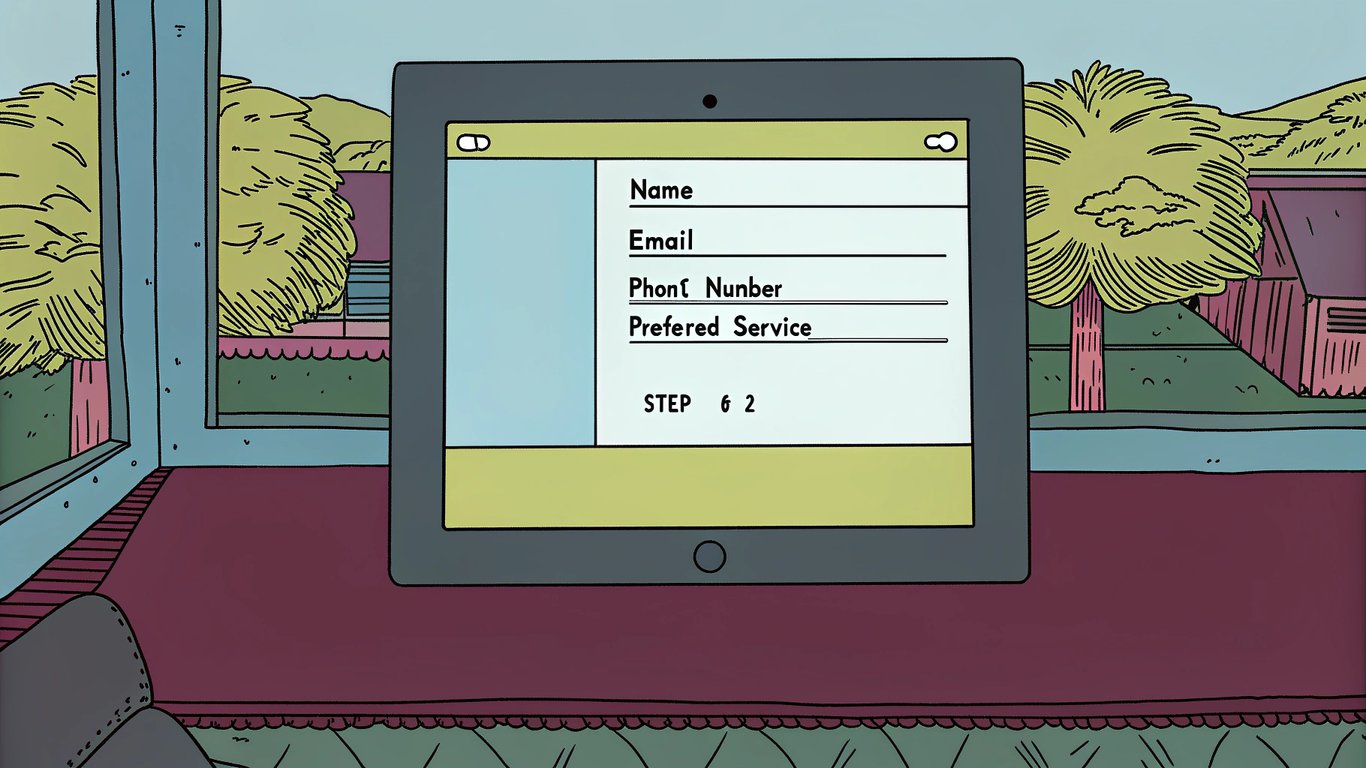
Every field you add to your booking form costs you conversions. Seriously. Each additional question increases the chance someone will abandon the process.
Start with the absolute minimum: name, phone number, email, and preferred service. That’s it. You can collect medical history and detailed information later, either through a follow-up email or when they arrive for their appointment. Some med spas even offer guest checkout options where clients can book without creating an account.
Progress indicators help too. If your booking process has multiple steps, show people where they are in the journey. “Step 2 of 3” reduces anxiety and abandonment because people know the end is near.
Test this: Compare a single-page form versus a multi-step process. Sometimes breaking things into smaller chunks actually improves completion rates because each step feels less overwhelming.
Strategy 3: Implement Trust Signals and Social Proof
People are injecting things into their faces or undergoing laser treatments. They need reassurance that you’re legitimate and skilled. Trust signals aren’t optional in the aesthetic industry.
Display your certifications prominently. If you’re board-certified or have specialized training, make it visible. Real client reviews from Yelp or Google should appear on service pages, not just buried on a testimonials page. Before-and-after photos work incredibly well, but make sure they’re authentic and properly consented.
Security badges matter for online bookings. Even if your booking system is secure, displaying trust seals near payment information reduces anxiety. Many clients worry about entering credit card details on smaller business websites.
Testing opportunities: Try different types of social proof. Video testimonials might outperform written ones. Test placing reviews near booking buttons versus at the bottom of pages. Some med spas see better results with specific numbers like “Join 2,000+ satisfied clients” rather than generic statements.
Strategy 4: Create Service-Specific Landing Pages
Generic service pages don’t convert well. Someone searching for “lip filler near me” wants information about lip fillers specifically, not a general overview of all your injectable services.
Build dedicated pages for your most popular treatments. Each page should answer common questions, address concerns, explain the process, and include clear pricing (or at least price ranges). Transparency about costs reduces phone calls from price shoppers and attracts serious buyers.
These pages need multiple booking CTAs. One at the top for people who are ready to book immediately, another after you’ve explained the benefits, and a final one at the bottom. Different visitors will be ready at different points in your content.
Test different layouts: Try long-form educational content versus shorter, benefit-focused pages. Some audiences want detailed information before booking, while others just want to know it works and how much it costs.
Strategy 5: Add Live Chat and AI Chatbots for Instant Engagement
People have questions. If they can’t get answers immediately, they’ll leave and probably won’t come back. Live chat tools like Intercom or Drift let you engage visitors in real-time.
You don’t need someone monitoring chat 24/7. AI chatbots can handle common questions about pricing, services, and availability. They can even guide people through the booking process or collect contact information for follow-up during business hours.
The key is making the chat feel helpful, not pushy. Trigger it after someone’s been on a service page for 30 seconds with a message like “Have questions about this treatment?” rather than an immediate popup that interrupts their browsing.
Test different approaches: Try proactive chat messages versus passive availability. Test different trigger timings and messaging styles. Some audiences respond better to casual language while others prefer professional medical terminology.
Mobile Optimization Strategies to Capture On-the-Go Bookings (Strategies 6-8)
If your website doesn’t work perfectly on mobile, you’re losing money every single day. Most med spa bookings now start on smartphones, and mobile users are notoriously impatient.
Strategy 6: Optimize for Mobile-First Booking Experience
Mobile optimization isn’t just about responsive design anymore. Your buttons need to be thumb-friendly (at least 44×44 pixels). Your forms need to use the right input types so mobile keyboards show numbers for phone fields and @ symbols for email addresses.
Page speed is critical on mobile. If your site takes more than three seconds to load, you’ve lost a significant portion of potential bookings. Compress images, minimize code, and consider using a content delivery network to speed things up.
Navigation should be simple. Mobile users don’t want to dig through complex menus. Put your most important services and booking options front and center. Consider a sticky booking button that stays visible as users scroll.
Test mobile-specific features: Try one-tap booking options that use saved payment methods. Test different mobile layouts, like card-based designs versus traditional page structures. Some med spas see better results with simplified mobile versions that remove less essential content.
Strategy 7: Implement Click-to-Call Functionality Strategically
Some clients prefer talking to a real person before booking, especially for higher-priced treatments. Make it dead simple for mobile users to call you with prominent click-to-call buttons.
But here’s the thing: track those calls. Use call tracking software like CallRail to measure which pages and marketing campaigns drive phone bookings. This data is just as valuable as online booking analytics.
Place phone buttons strategically. They should be visible but not overshadow online booking options. Many med spas find success with a dual CTA approach: “Book Online” and “Call Us” side by side, letting clients choose their preferred method.
Testing ideas: Try different placements for phone buttons. Test messaging around phone bookings like “Speak with a specialist” versus just displaying your phone number. Some audiences respond better to the promise of personalized consultation.
Strategy 8: Use SMS and WhatsApp Booking Options
Text-based booking is growing fast. Some clients find it less intimidating than calling and more convenient than filling out forms. Platforms like Twilio make it easy to set up SMS booking systems.
WhatsApp Business is particularly popular with younger demographics and international clients. You can handle booking inquiries, send appointment reminders, and even share before-and-after photos through the platform.
The key is making these options visible. Add SMS and WhatsApp buttons to your contact page and service pages. Some med spas include them in their website footer so they’re accessible from every page.
Test different messaging platforms: Compare SMS versus WhatsApp adoption rates in your market. Test different communication flows, like automated responses versus immediate human interaction. Some clients prefer the efficiency of automation while others want personal attention from the start.
Promotional Strategies to Drive Urgency and Increase Med Spa Bookings (Strategies 9-12)
Sometimes people need a nudge to book now instead of later. These promotional tactics create urgency and give potential clients a reason to commit today rather than continuing to shop around.
Strategy 9: Limited-Time Offers with Countdown Timers
Scarcity works. When people know an offer expires soon, they’re more likely to act. But the key is making it genuine. Fake countdown timers that reset when you refresh the page destroy trust.
Run legitimate time-sensitive promotions tied to seasons or events. “Summer skin prep special” or “New Year rejuvenation package” feel authentic. Display countdown timers prominently on relevant pages to create visual urgency.
Flash sales work well for filling last-minute appointment slots. If you have unexpected openings, promote them through email and social media with short booking windows. This creates urgency while maximizing your schedule utilization.
Test different approaches: Try various discount levels to find the sweet spot between attractive and profitable. Test timer placement (top of page versus near booking buttons). Experiment with urgency messaging, comparing direct language like “Ends Tonight” versus softer approaches like “Limited Availability.”
Strategy 10: First-Time Client Incentives and Referral Programs
New client offers reduce the barrier to trying your services. A percentage off the first treatment or a discounted consultation makes it easier for someone to choose you over a competitor.
But don’t stop there. Referral programs turn happy clients into your marketing team. Offer incentives for both the referrer and the new client. Something like “Give $50, Get $50” works well because both parties benefit.
Make referrals easy to share. Provide clients with unique referral links they can text to friends or post on social media. The less friction in the referral process, the more referrals you’ll get.
Testing opportunities: Try different incentive structures. Compare percentage discounts versus dollar amounts. Test different promotional messaging, emphasizing either the savings or the exclusive nature of the offer. Some audiences respond better to “VIP new client experience” framing than straightforward discounts.
Strategy 11: Package Deals and Membership Programs
Bundling services increases your average booking value and creates recurring revenue. Instead of selling individual treatments, offer packages that combine complementary services at a slight discount.
Membership programs work particularly well for treatments that require maintenance, like Botox or laser hair removal. Monthly memberships with included services and member discounts create predictable revenue and increase client lifetime value.
The psychology here is powerful. Clients who’ve prepaid for services are more likely to use them and less likely to shop around. They’ve already committed to your practice.
Test different configurations: Try various package combinations and pricing structures. Test how you present the value, comparing total savings versus per-treatment costs. Some clients respond better to seeing the monthly cost of memberships rather than annual totals.
Strategy 12: Retargeting Campaigns for Abandoned Bookings
Most people who start your booking process don’t finish it. That’s normal. But you can bring them back with retargeting campaigns on platforms like Facebook and Google Ads.
Install tracking pixels on your website to identify visitors who viewed service pages or started booking but didn’t complete it. Then show them targeted ads reminding them about your services or offering a special incentive to complete their booking.
Email sequences work too. If someone abandons a booking form, send a follow-up email within 24 hours. Keep it helpful, not pushy. Something like “We noticed you were interested in our Botox services. Do you have any questions we can answer?”
Test different approaches: Try various ad creative styles and messaging. Test different follow-up timing (immediate versus 24 hours versus 48 hours). Experiment with incentives versus simple reminders. Some audiences respond better to educational content that addresses common concerns rather than promotional offers.
Phone Booking Optimization Strategies (Strategies 13-14)
Online booking is convenient, but phone calls still drive a significant portion of med spa appointments. Many high-value clients prefer speaking with someone before committing to treatments. Optimizing your phone booking process is just as important as your website.
Strategy 13: Implement Call Tracking and Staff Training Protocols
You can’t improve what you don’t measure. Call tracking software shows you which marketing efforts drive phone bookings and lets you record calls for training purposes.
But technology alone won’t increase bookings. Your staff needs proper training on phone conversion techniques. Create scripts that guide conversations without sounding robotic. Train your team to ask open-ended questions, address concerns confidently, and always end calls with a clear next step.
The goal isn’t just answering questions. It’s converting inquiries into booked appointments. Your staff should be comfortable discussing pricing, explaining procedures, and overcoming common objections.
Test different approaches: Try various greeting styles and conversation flows. Record calls (with proper consent) and analyze which approaches lead to bookings. Test different ways of handling price questions, comparing upfront transparency versus scheduling consultations to discuss pricing in person.
Strategy 14: Optimize Phone Availability and Response Times
If someone calls and gets voicemail, they’re probably calling your competitor next. Extended phone hours capture clients who can only call outside traditional business hours.
Consider early morning or evening availability, even if it’s just for booking appointments. You don’t need full staff during these hours, just someone who can schedule appointments and answer basic questions.
When you can’t answer immediately, offer callback options. Voicemail-to-text services ensure you never miss a message, and automated callback scheduling lets clients choose when you’ll call them back.
Response time matters enormously. Studies show that calling back within five minutes dramatically increases conversion rates compared to waiting even an hour. The faster you respond, the more likely you are to book the appointment.
Test different availability options: Try extended hours and measure booking rates. Test different voicemail messages and callback systems. Compare immediate callbacks versus scheduled callback times to see what your clients prefer.
Advanced Testing and Personalization Strategy (Strategy 15)
The most sophisticated med spas don’t show the same website to everyone. They personalize the experience based on visitor behavior, creating more relevant experiences that convert better.
Strategy 15: Implement Dynamic Content and Personalization
Personalization tools let you show different content based on how someone found your site, their location, or their previous visits. Someone who clicked an ad for Botox should see Botox-focused content and offers, not generic homepage messaging.
Location-based personalization works well for multi-location practices. Show visitors content relevant to their nearest location automatically. First-time visitors might see new client offers prominently, while returning visitors see membership program information.
Behavioral triggers can display targeted popups or messages. If someone’s viewed multiple service pages without booking, show them a consultation offer. If they’ve visited your pricing page multiple times, display financing options.
Creating Your A/B Testing Roadmap
Don’t try to test everything at once. Prioritize based on potential impact and ease of implementation. Start with high-traffic pages and elements that directly affect bookings, like CTA buttons and booking forms.
Run tests long enough to get statistically significant results. This usually means at least two weeks and several hundred visitors per variation. Tools like Google Optimize or VWO make A/B testing accessible even for smaller practices.
Document everything. Keep a testing log that records what you tested, the results, and what you learned. This prevents you from testing the same things repeatedly and helps you build on successful experiments.
Key Metrics to Track for Med Spa Booking Success
Focus on metrics that actually matter for your business. Conversion rate is obvious, but dig deeper. Track cost per booking to understand your marketing efficiency. Monitor average booking value to see if your package and upsell strategies are working.
Compare phone versus online booking ratios to understand client preferences. Track customer lifetime value to identify which acquisition channels bring the most valuable clients. These insights help you allocate resources more effectively.
Set up proper analytics tracking for all conversion points, including online bookings, phone calls, and form submissions. Use Google Analytics goals and events to measure everything systematically.
Implementation Guide: Your 90-Day Action Plan to Increase Med Spa Bookings
You’ve got 15 strategies now. But trying to implement everything simultaneously will overwhelm your team and dilute your focus. Here’s how to roll these out systematically for maximum impact.
Quick Wins: Strategies to Implement in Week 1
Start with the lowest-hanging fruit. Optimize your CTA buttons (Strategy 1) by making them more prominent and testing different colors. This takes minimal time but can produce immediate results.
Add click-to-call buttons to your mobile site (Strategy 7). This is a simple technical change that immediately improves mobile user experience. Set up basic call tracking so you can measure the impact.
Review and streamline your booking form (Strategy 2). Remove unnecessary fields right away. You can always collect additional information later in the client journey.
Month 1-3 Priorities and Testing Schedule
Month 1: Focus on website fundamentals. Implement trust signals and social proof (Strategy 3). Create or improve your top three service-specific landing pages (Strategy 4). Set up basic A/B testing infrastructure and run your first test on CTA button variations.
Month 2: Add live chat or chatbot functionality (Strategy 5). Launch your first promotional campaign with countdown timers (Strategy 9). Implement retargeting pixels and create your first retargeting campaign (Strategy 12). Train staff on phone booking protocols (Strategy 13).
Month 3: Roll out SMS/WhatsApp booking options (Strategy 8). Launch a referral program (Strategy 10). Create your first package deal or membership program (Strategy 11). Begin implementing personalization based on visitor behavior (Strategy 15).
Tools and Technology Stack Recommendations
You’ll need the right tools to execute these strategies effectively. For booking systems, platforms like Acuity Scheduling or Vagaro work well for med spas and integrate with most websites.
For A/B testing, start with free tools like Google Optimize if you’re on a budget. As you scale, consider Optimizely or VWO for more advanced features.
Call tracking requires dedicated software. CallRail is popular and reasonably priced. For chat functionality, Intercom and Drift are industry leaders, though Tidio offers a more affordable option for smaller practices.
CRM integration is crucial for tracking client relationships and lifetime value. HubSpot offers a free CRM that works well for many med spas, with paid upgrades as you grow.
Building a Culture of Continuous Optimization
The med spas that consistently increase bookings don’t implement these strategies once and forget about them. They build optimization into their regular operations, constantly testing and improving.
Key Takeaways and Next Steps
Start with your biggest bottlenecks. If you’re getting traffic but few bookings, focus on website CRO strategies first. If you’re getting calls but not converting them, prioritize phone optimization.
Don’t expect overnight transformations. Meaningful improvement takes consistent effort over months, not days. But the compounding effect is powerful. Small improvements across multiple areas add up to significant booking increases.
Make someone on your team responsible for conversion optimization. Whether it’s you or a staff member, someone needs to own this process and drive continuous improvement.
Common Pitfalls to Avoid
The biggest mistake is testing too many things simultaneously. You won’t know what’s actually working. Test one variable at a time and give each test enough time to produce reliable data.
Don’t ignore mobile users. If your mobile experience is clunky, you’re losing a huge portion of potential bookings. Test everything on actual mobile devices, not just by resizing your browser window.
Avoid making changes based on gut feelings alone. Data should drive your decisions. What you think will work and what actually works are often different things.
Finally, don’t neglect the human element. Technology and optimization are important, but genuine expertise, quality service, and authentic client relationships are what ultimately build a successful med spa. These strategies help more people discover and book with you, but your clinical skills and client care determine whether they come back and refer others.