

You’ve probably seen the promises. “Booked out in 30 days.” “Triple your revenue overnight.” Maybe you’ve even tried a few of these tactics, only to watch your calendar stay frustratingly empty while your marketing budget drains away.
Here’s what most med spa owners don’t realize: patient acquisition isn’t about finding one magic solution. It’s about building a system that compounds over time.
I’m going to walk you through exactly how to get more patients for a med spa using a phased approach that actually works. No hype, no overnight promises. Just practical tactics you can implement in 30, 90, and 180 days to create predictable growth.
Why Traditional Marketing Fails Med Spas
Med spas exist in this weird middle ground. You’re not quite healthcare, not quite beauty. Your patients aren’t sick, but they’re making decisions that feel medical. They want results, but they also want an experience.
This creates unique challenges. Traditional healthcare marketing feels too clinical. Beauty industry tactics often come across as superficial. And unlike a regular doctor’s office, you can’t rely on insurance referrals or urgent care needs to fill your schedule.
Your patients are making elective decisions with their discretionary income. They’re researching extensively, comparing options, and often taking weeks or months to book. The old “post on Instagram and hope for the best” approach just doesn’t cut it anymore.
The Power of Timeline-Based Implementation
Most med spa owners try to do everything at once. They launch paid ads, start a blog, revamp their website, create a referral program, and host an event all in the same month. Then they burn out and quit before anything has time to work.
The 30-90-180 day framework prevents this. You start with quick wins that generate immediate results and build momentum. Then you layer in systems that create consistent flow. Finally, you implement advanced strategies that scale predictably.
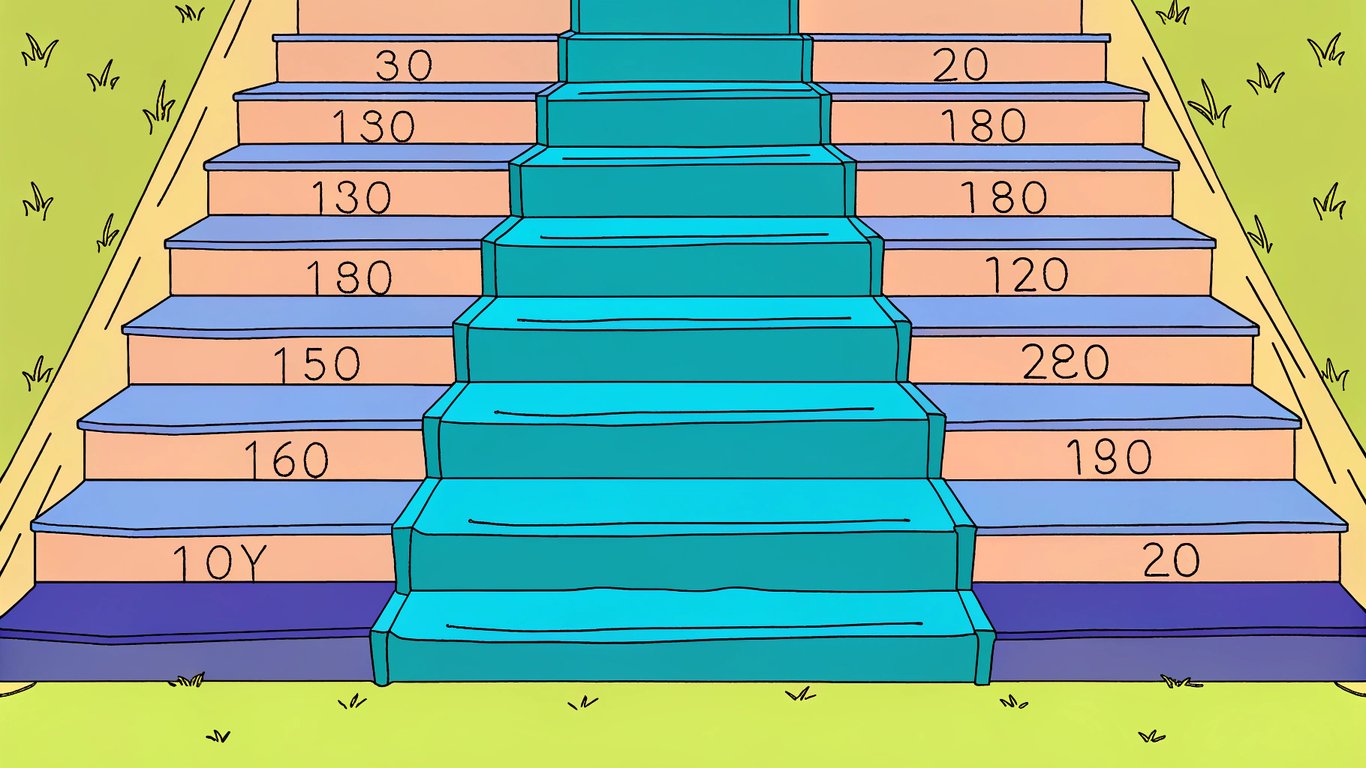
Each phase builds on the previous one. The tactics you implement in month one make month three more effective. By day 180, you’ve got multiple channels working together, creating compound growth that feels almost automatic.
What Predictable Growth Actually Means
Let’s get specific about what you should expect. Predictable growth doesn’t mean your calendar magically fills overnight. It means you can look at your pipeline and forecast revenue with reasonable accuracy.
After 30 days, you should see a 15-25% increase in bookings from reactivated patients and improved local visibility. After 90 days, you’ll have consistent weekly new patient inquiries and a growing base of recurring revenue. By 180 days, you should be able to predict monthly revenue within 10-15% accuracy based on your pipeline.
That’s what we’re building toward. Not viral moments or lucky breaks, but a machine that consistently generates qualified patient inquiries.

Assessing Your Current Patient Acquisition System
Before you implement anything new, you need to understand what’s already happening. Most med spa owners have no idea where their patients actually come from or what their acquisition costs really are.
Audit Your Current Patient Journey
Map out every touchpoint from the moment someone becomes aware of your med spa until they become a repeat patient. Where do they first hear about you? What makes them visit your website or social media? What triggers them to book a consultation?
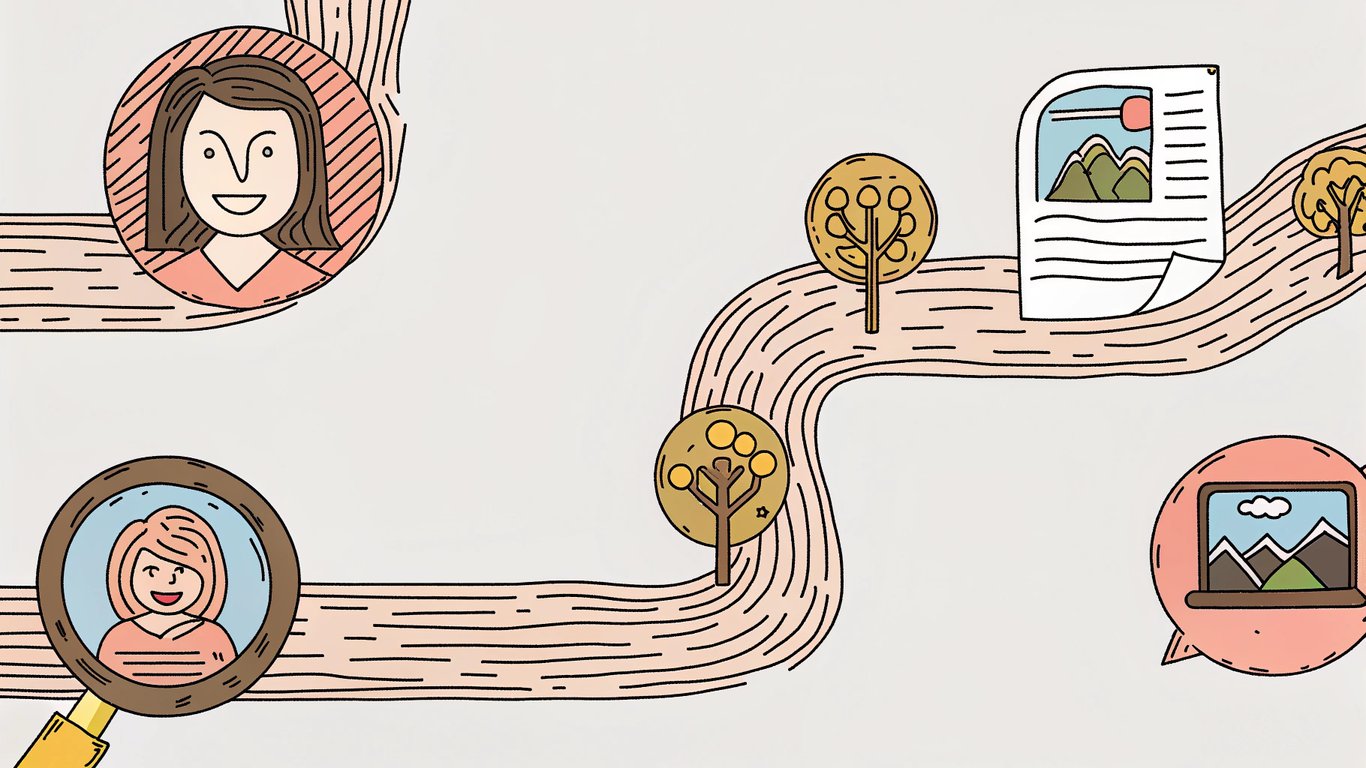
- How do people currently find you? (Google search, social media, referrals, driving by)
- What happens when they visit your website? Do they book immediately or leave?
- How long does it typically take from first contact to booking?
- What percentage of consultations convert to treatments?
- How many patients book a second treatment?
Write this down. You’ll probably discover gaps you didn’t know existed.
Identify Your Most Profitable Services
Not all treatments are created equal. Some have high profit margins but low demand. Others bring in lots of patients but barely cover costs. You need to know which services to prioritize in your acquisition efforts.
Look at your last 90 days of bookings. Calculate the actual profit (not just revenue) for each service type. Factor in product costs, time required, and staff involved. Then look at demand. Which treatments do people ask about most? Which ones lead to repeat bookings?
Your sweet spot is services with decent margins that people actually want and that lead to additional treatments. These become your acquisition focus.
Calculate Your Patient Acquisition Metrics
You can’t improve what you don’t measure. Here are the baseline numbers you need to know before implementing any new tactics.
- Cost per acquisition: Total marketing spend divided by new patients acquired
- Lifetime value: Average revenue per patient over their entire relationship with you
- Consultation conversion rate: Percentage of consultations that become paying patients
- Retention rate: Percentage of patients who book a second treatment within 90 days
If you don’t have these numbers, start tracking them now. Even rough estimates are better than nothing.
30-Day Quick Wins: Immediate Actions
The first 30 days are about momentum. You’re going after low-hanging fruit that generates immediate bookings while you build out longer-term systems.
Reactivate Dormant Patients
Your best source of immediate bookings is sitting in your patient database right now. People who came once or twice and then disappeared. According to industry data, re-engaging patients you haven’t seen in 90-180 days can generate a 15-20% response rate with the right offer.
Pull a list of everyone who hasn’t booked in 90-180 days. Segment them by their last treatment. Then send a personalized message (email or text) with a specific, time-limited offer related to what they previously tried.
Don’t send a generic “we miss you” message. Reference their specific treatment and offer something that makes sense as a next step. If they got Botox, offer a complementary filler consultation. If they tried a facial, suggest a package deal.
Optimize Your Google Business Profile
When someone searches “med spa near me” or “Botox in [your city],” your Google Business Profile is often the first thing they see. Most med spas completely neglect this free marketing tool.
Spend one afternoon making these updates:
- Add high-quality photos of your space, staff, and results (with patient permission)
- Write a detailed business description with your key services and location
- Post weekly updates about treatments, specials, or educational content
- Respond to every review within 24 hours
- Add all your services with descriptions and price ranges
- Update your hours and contact information
This takes maybe three hours total and can dramatically increase your local search visibility.
Launch a Referral Incentive Program
Your existing patients know other people who’d be interested in your services. But they need a reason to actually make the referral and a simple way to do it.
Create a simple program: existing patients get a credit or discount when someone they refer books their first treatment. The new patient also gets an introductory offer. Make it easy by giving patients referral cards they can hand out or a unique link they can share.
The key is making the incentive valuable enough to motivate action but not so generous that it kills your margins. A $50-100 credit for both parties typically works well.

Implement Strategic Social Proof
People need to see that your treatments actually work before they’ll book. But most med spas either don’t collect testimonials and before/after photos, or they bury them where nobody sees them.
Start systematically collecting social proof. After every successful treatment, ask patients if they’d be willing to share their experience. Get written testimonials, video testimonials if possible, and before/after photos (with proper consent and HIPAA compliance).
Then put this social proof everywhere: your website homepage, your Google Business Profile, your social media, your consultation room. Make it impossible for potential patients to miss.
Create a Limited-Time New Patient Offer
New patients need a reason to choose you over competitors and to book now instead of later. A well-designed introductory offer accomplishes both.
The trick is creating an offer that’s compelling but doesn’t attract bargain hunters who’ll never come back. Don’t discount your most popular treatments. Instead, offer a discounted consultation plus a credit toward their first treatment, or bundle a popular service with a complementary add-on.
Make it time-limited (30 days max) and promote it everywhere: your website, social media, Google Business Profile, and in-person to anyone who inquires.
90-Day Growth Systems: Building Sustainable Channels
By day 30, you should have some momentum from quick wins. Now it’s time to build systems that create consistent patient flow without requiring constant effort.
Launch a Membership or Package Program
Recurring revenue changes everything. Instead of constantly chasing new patients, you’ve got a base of monthly income you can count on. The most efficient med spas use what’s sometimes called a 10-20-70 model: 10% of revenue from new patients, 20% from one-time treatments, and 70% from memberships and packages.
Create tiered membership options that make sense for your services. Maybe a basic tier includes one treatment per month plus discounts on additional services. A premium tier might include multiple treatments and priority booking.
The key is making the membership valuable enough that patients save money compared to paying per treatment, while still maintaining your margins. Price it so members need to use it regularly to get value, which keeps them engaged.
Build a Strategic Social Media Content Calendar
Random social media posts don’t build a patient base. You need a consistent strategy that educates, builds trust, and drives bookings.
Plan 90 days of content in advance. Mix educational posts (how treatments work, what to expect), results showcases (before/afters with patient permission), behind-the-scenes content (your team, your space), and engagement posts (polls, questions, trending topics).
Focus on platforms where your ideal patients actually spend time. For most med spas, that’s Instagram and Facebook. Post consistently (at least 3-4 times per week) and engage with comments and messages promptly.
Establish Email Nurture Sequences
Most people who inquire about your services aren’t ready to book immediately. They need education, trust-building, and gentle reminders. That’s what email sequences do.
Create automated sequences for different scenarios: new leads who haven’t booked, post-consultation follow-ups, post-treatment care and rebooking, and educational series about specific treatments.
Keep emails short, valuable, and focused on one clear action. Don’t just pitch services. Educate people about their options, address common concerns, and build confidence in your expertise.
Partner with Complementary Local Businesses
Your ideal patients are probably already customers of other local businesses. Gyms, yoga studios, salons, boutiques, wellness centers. These are natural partnership opportunities.
Approach businesses that serve a similar demographic but aren’t competitors. Propose cross-promotional arrangements: you’ll promote them to your patients if they promote you to their customers. This could be as simple as displaying each other’s cards or as involved as joint events or package deals.
The best partnerships are with businesses whose customers are already interested in self-care and have disposable income. Think high-end fitness studios, luxury salons, or upscale boutiques.
Implement a VIP Patient Experience Program
Not all patients are equal in terms of lifetime value. Some will become regulars who spend thousands per year. Others will come once and disappear. You want to identify and nurture your high-value patients.
Create a tiered experience based on spending or visit frequency. VIP patients might get priority booking, exclusive access to new treatments, birthday perks, or special events. This doesn’t have to be expensive. It’s about making your best patients feel valued.
Track patient lifetime value and engagement. When someone crosses into VIP territory, personally reach out and let them know about their new status and benefits.
Start Targeted Paid Advertising Campaigns
By day 90, you should have enough data about what works to start investing in paid advertising. Don’t do this on day one. You need to understand your conversion rates and patient lifetime value first.
Start with small, focused campaigns on Facebook and Instagram or Google Ads. Target specific treatments to specific demographics in your local area. If you know Botox is your most profitable service and converts well, create campaigns specifically for that.
Set a modest budget (maybe $500-1000 per month to start) and track everything obsessively. You should know exactly how many clicks, consultations, and bookings each campaign generates.
180-Day Advanced Strategies: Scaling to Predictable Bookings
By day 180, you’ve got multiple channels working. Now it’s time to implement advanced tactics that create true business predictability and position you for long-term growth.
Develop a Comprehensive SEO Strategy
Organic search traffic is the holy grail of patient acquisition. People actively searching for “how to get more patients for a med spa” or “Botox in [your city]” are high-intent prospects. But ranking takes time, which is why this is a 180-day strategy.
Create location-specific landing pages for each of your key services. Write detailed content about what patients can expect, results, pricing ranges, and why they should choose you. Optimize for local search terms.
Build out a content hub with articles answering common patient questions. “How long does Botox last?” “What’s the difference between microneedling and chemical peels?” “How to prepare for your first med spa visit.” These articles attract organic traffic and establish your expertise.
Launch an Educational Content Marketing Hub
Position yourself as the local authority on aesthetic treatments. This could be a blog, a YouTube channel, a podcast, or all three. The format matters less than the consistency and quality.
Create content that actually helps people make informed decisions about treatments. Don’t just pitch your services. Explain how different treatments work, who they’re right for, what results to expect, and how to choose a provider.
This content serves multiple purposes: it attracts organic traffic, builds trust with potential patients, and gives you material to share on social media and in email campaigns.
Implement Advanced CRM and Automation
By day 180, you should have enough patient volume to justify investing in sophisticated customer relationship management. This means automated booking reminders, birthday campaigns, treatment milestone tracking, and personalized follow-up sequences.
Set up automation that triggers based on patient behavior. Someone books a consultation but doesn’t show up? Automatic follow-up. Patient completes their first treatment? Automatic rebooking reminder in 30 days. Patient hasn’t been in for 60 days? Automatic check-in message.
This level of automation ensures no patient falls through the cracks and maximizes lifetime value without requiring constant manual effort.
Create a Patient Ambassador Program
Your most enthusiastic patients can become powerful marketing assets. A formal ambassador program gives them structure and incentives to actively promote your med spa.
Identify patients who already rave about you on social media or refer friends regularly. Invite them to become official ambassadors with exclusive benefits: deeper discounts, early access to new treatments, VIP events, or even commission on referrals.
Give them tools to make promotion easy: branded hashtags, shareable content, referral links. The goal is turning your biggest fans into an extension of your marketing team.
Establish Corporate Wellness Partnerships
Corporate wellness programs are an underutilized patient acquisition channel for med spas. Companies are increasingly offering wellness benefits to employees, and aesthetic treatments fit perfectly into this trend.
Approach local businesses (especially those with predominantly female workforces) about offering employee wellness packages. This could be discounted services, group events, or lunch-and-learn sessions about aesthetic treatments.
One corporate partnership can generate dozens of new patients at once, and corporate clients tend to be reliable, high-value patients.
Launch Event-Based Marketing
Quarterly events create concentrated bursts of bookings and give you something to promote across all your channels. These could be educational seminars, treatment demonstrations, VIP shopping nights, or seasonal specials.
The key is making events valuable enough that people actually show up. Offer exclusive event-only pricing, bring in guest speakers or vendors, provide refreshments and a social atmosphere. Make it an experience, not just a sales pitch.
Promote events heavily for 4-6 weeks beforehand across all channels. A well-executed event can generate 20-50 bookings in a single evening.
Measuring Success: Tracking and Optimizing
None of this matters if you’re not tracking results. You need to know what’s working, what’s not, and where to invest more resources.
Essential KPIs to Track at Each Phase
Different metrics matter at different stages. Here’s what to watch:
| Phase | Key Metrics | Target Benchmarks |
|---|---|---|
| 30 Days | Reactivation rate, Google profile views, referral conversions | 15-25% reactivation, 2x profile views, 5-10 referrals |
| 90 Days | New patient inquiries per week, membership signups, email open rates | 10-15 weekly inquiries, 10-20 members, 25-35% opens |
| 180 Days | Monthly recurring revenue, organic traffic, cost per acquisition | 30-40% revenue from recurring, 500+ monthly visitors, <$100 CPA |
These benchmarks vary based on your market and services, but they give you a starting point for evaluation.
How to Calculate True ROI
Most med spa owners look at immediate revenue from a marketing tactic and call it ROI. That’s wrong. You need to factor in lifetime value.
If you spend $500 on a Facebook campaign that generates 5 new patients, and each patient is worth $2,000 over their lifetime, that’s a $10,000 return on a $500 investment. That’s the number that matters.
Track where each patient came from and their total spending over time. This tells you which acquisition channels are actually profitable, not just which ones generate immediate bookings.
When to Double Down vs. When to Pivot
Give tactics at least 60-90 days before making major decisions. Some channels take time to gain momentum. But if something’s clearly not working after three months, don’t be afraid to cut it.
Double down on tactics that show positive ROI and consistent results. If your referral program is generating 10 new patients per month at minimal cost, invest more in promoting it. If paid ads are breaking even or losing money after 90 days, pause and reassess.
Building Your Predictable Revenue Dashboard
Create a simple tracking system you can check weekly. This should show your pipeline (consultations scheduled), conversion rates (consultations to bookings), and revenue projections based on current trends.
You don’t need fancy software. A spreadsheet works fine. The point is having visibility into what’s coming so you can forecast revenue and identify problems early.
Common Pitfalls and How to Avoid Them
Even with a solid plan, there are traps that derail most med spa growth efforts. Here’s how to avoid them.
The Shiny Object Syndrome
You’ll be tempted to chase every new marketing trend. TikTok is hot, so you abandon Instagram. Someone tells you about a new booking platform, so you switch systems mid-implementation.
Resist this. Stick with your 30-90-180 day plan. Give tactics time to work before jumping to something new. Consistency beats novelty every time.
Discounting Your Way to Bankruptcy
When bookings slow down, the temptation is to slash prices. This attracts bargain hunters who’ll never become regular patients and trains your market to wait for deals.
Instead of competing on price, compete on value, expertise, and experience. Position yourself as the premium option worth paying for. Use strategic offers to attract new patients, but don’t make discounting your primary strategy.
Neglecting Patient Retention
It’s easy to get obsessed with new patient acquisition and forget that retention is often more profitable. Keeping an existing patient costs far less than acquiring a new one.
Balance your efforts. For every dollar you spend on acquisition, invest in retention through follow-up systems, loyalty programs, and exceptional patient experience.
Failing to Train Staff
Your front desk staff and treatment providers are part of your patient acquisition system. If they’re not trained on how to convert consultations, upsell services, and encourage rebooking, you’re leaving money on the table.
Invest in training your team on sales skills, patient communication, and the importance of the patient experience. They should understand how their role impacts bookings and revenue.
Your Roadmap to Predictable Med Spa Growth
Learning how to get more patients for a med spa isn’t about finding one magic tactic. It’s about building a system that compounds over time.
Start with the 30-day quick wins to generate immediate momentum and cash flow. Layer in the 90-day systems to create consistent patient flow. Then implement the 180-day advanced strategies to scale predictably.
Each phase builds on the previous one. The reactivation campaign you run in month one feeds into the membership program you launch in month three. The social proof you collect early makes your paid ads more effective later. The email sequences you set up in month two nurture the leads generated by your SEO efforts in month six.
This is how you create predictable growth. Not through viral moments or lucky breaks, but through consistent implementation of proven tactics that compound over time.
Pick one tactic from the 30-day section and implement it this week. Then add another next week. By day 180, you’ll have a patient acquisition machine that generates consistent, predictable bookings.