

The aesthetic medicine industry has transformed dramatically over the past few years. What used to be a referral-based business now requires sophisticated digital strategies to stay competitive. If you’re running a med spa in 2026, you’re competing not just with the clinic down the street, but with every practice that shows up when potential clients search for treatments online.
The reality is stark. Most med spa owners I’ve talked to struggle with inconsistent patient flow. They’ll have a great month, then wonder where all their clients went. That’s usually because they’re relying on one or two marketing channels instead of building a comprehensive system.
The State of the Med Spa Industry in 2026
The medical aesthetics market continues to grow at a rapid pace. More people are seeking non-invasive treatments, and the stigma around aesthetic procedures has largely disappeared. This growth means opportunity, but it also means increased competition.

New med spas are opening constantly, and established practices are expanding their service offerings. The barrier to entry has lowered, which means differentiation through marketing has become essential rather than optional.
How Consumer Behavior Has Changed for Aesthetic Services
Today’s aesthetic clients don’t just call the first med spa they find. They research extensively before making decisions. They’re reading reviews, comparing before-and-after photos, watching treatment videos on social media, and checking multiple websites.
The typical client journey now involves multiple touchpoints across different platforms. Someone might discover your practice through Instagram, research your services on Google, read reviews, sign up for your email list, and then finally book a consultation weeks later. If you’re not present across these channels, you’re losing potential clients at every stage.
The Integrated Marketing Advantage
Here’s what doesn’t work: running Facebook ads for a month, giving up, then trying SEO for a while, then abandoning that for email marketing. Single-channel strategies fail because they don’t match how people actually make decisions about aesthetic treatments.
Effective med spa digital marketing requires coordination across multiple channels. SEO brings in people actively searching for treatments. Social advertising builds awareness and captures people who didn’t know they needed your services. Email automation nurtures leads through the decision process. Paid search captures high-intent prospects ready to book.

When these channels work together, they create a system that consistently generates new clients while maximizing the value of existing ones.
What This Guide Will Cover
This guide walks you through building a complete digital marketing system for your med spa. We’ll start with the foundational elements you need in place, then dive deep into each marketing channel with specific strategies you can implement.
You’ll learn how to optimize your website for conversions, dominate local search results, create compliant social advertising campaigns, build email automation that converts, and capture high-intent traffic through paid search. Most importantly, you’ll understand how to sequence these channels for maximum impact.
Building Your Med Spa Digital Marketing Infrastructure
Before you spend a dollar on advertising, you need solid infrastructure. I’ve seen too many med spa owners waste money on ads that send traffic to poorly optimized websites or fail to track conversions properly.
Defining Your Med Spa’s Unique Value Proposition
What makes your practice different? If your answer is “we provide excellent service” or “we use the latest technology,” you need to dig deeper. Every med spa claims those things.
Your unique value proposition might be your specialized expertise in specific treatments, your approach to natural-looking results, your concierge-level service, or your pricing model. Whatever it is, it needs to be clear and specific enough that potential clients understand why they should choose you over competitors.
Website Optimization for Conversions
Your website is probably getting traffic right now that isn’t converting. Common issues include slow loading times, confusing navigation, unclear calls-to-action, and poor mobile experience.
Every page should have a clear purpose and a single primary action you want visitors to take. Treatment pages need detailed information, pricing guidance (even if it’s a range), before-and-after galleries, and prominent booking buttons. Your homepage should immediately communicate what you do and who you serve.
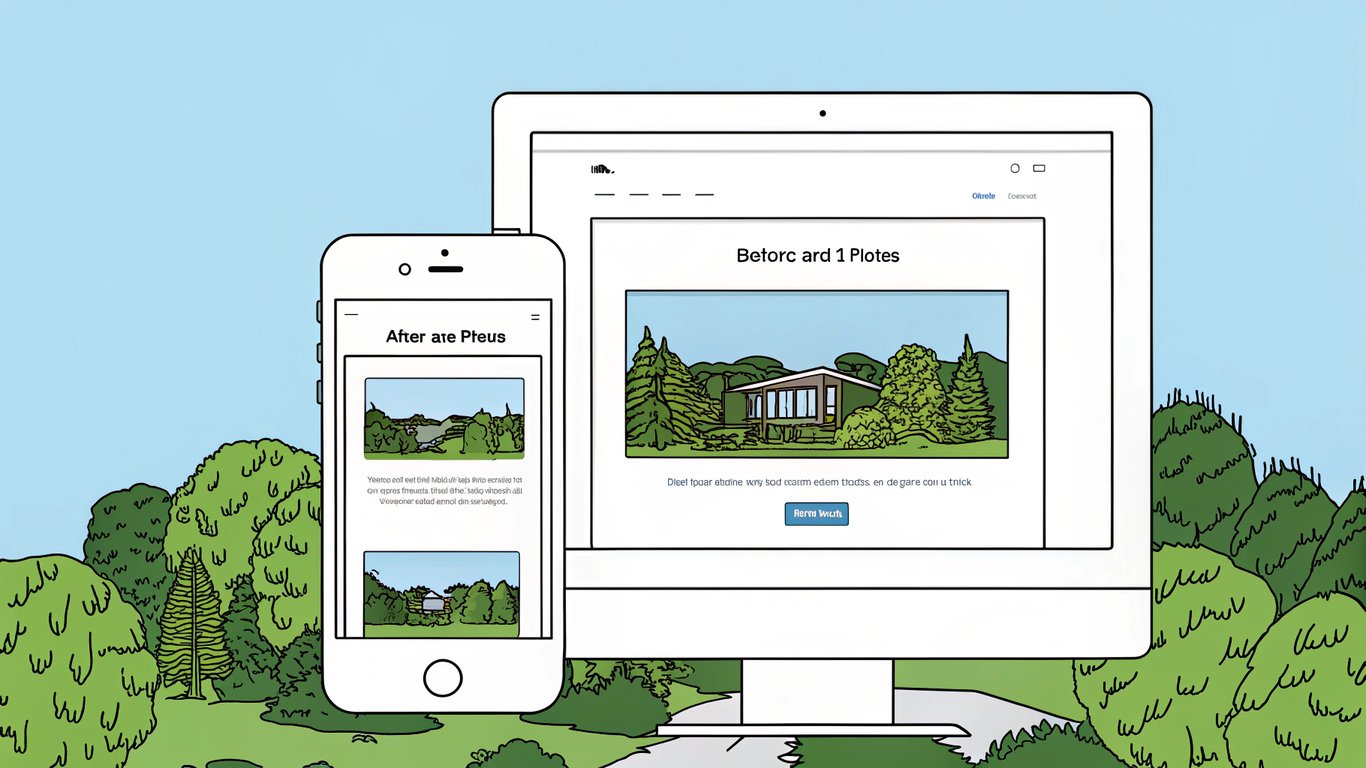
Mobile optimization isn’t optional anymore. Most of your traffic comes from phones, and if your site doesn’t work perfectly on mobile, people leave immediately.
Setting Up Analytics and Tracking Infrastructure
You can’t improve what you don’t measure. At minimum, you need Google Analytics 4 properly configured with conversion tracking for consultation bookings, phone calls, and form submissions.
Call tracking is essential for med spas since many clients prefer to call rather than book online. You need to know which marketing channels are driving phone consultations, not just website visits.
HIPAA-Compliant Marketing Technology
Healthcare marketing has unique compliance requirements. You can’t use standard tracking pixels and analytics tools the same way other businesses do without considering patient privacy.
Your email marketing platform needs to be HIPAA-compliant if you’re sending any protected health information. Your CRM system needs proper security measures. Even your website analytics setup requires careful configuration to avoid collecting protected information.
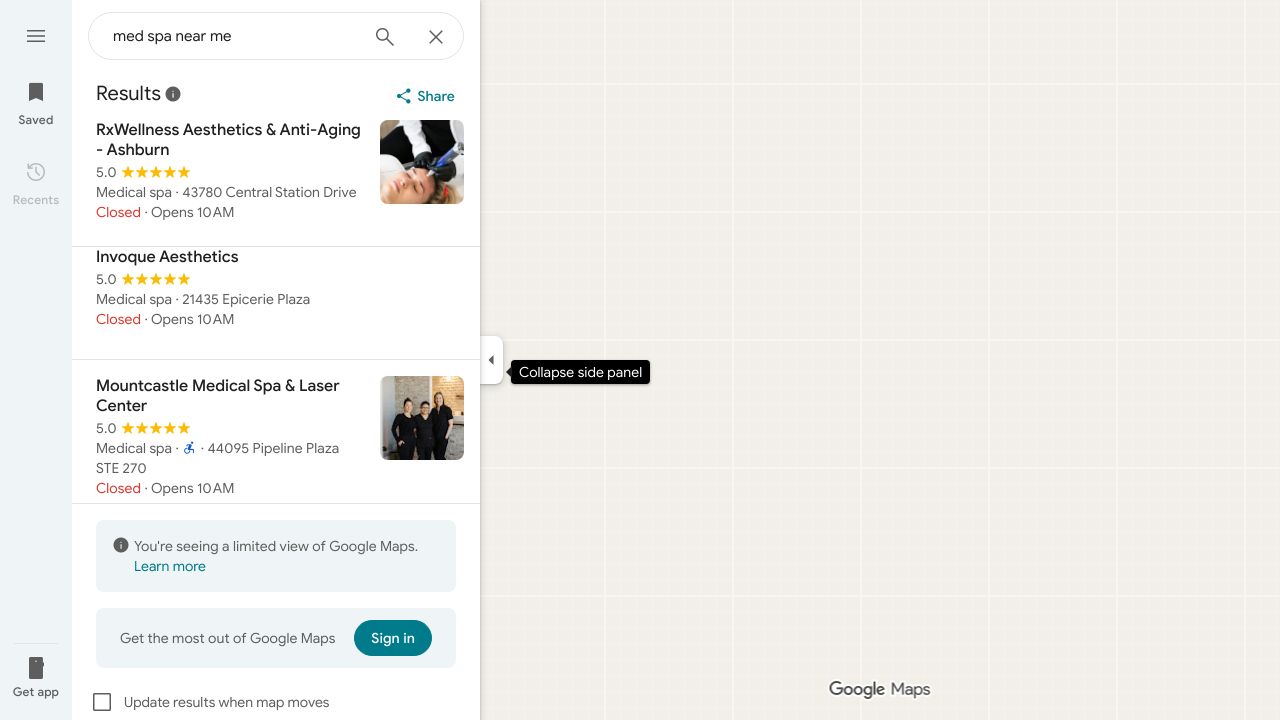
Dominating Local Search for Med Spa Services
SEO is probably the most valuable long-term investment you can make in your med spa digital marketing. Unlike paid advertising, organic search traffic doesn’t stop when you stop paying.
Local SEO Fundamentals for Med Spas
Your Google Business Profile is the foundation of local SEO. Most med spa owners set this up once and forget about it. That’s a mistake.
You should be posting updates weekly, responding to every review (positive and negative), adding photos regularly, and keeping your service list current. The practices that dominate local search results are actively managing their profiles.
Your business name, address, and phone number need to be identical across every online directory and citation. Inconsistencies confuse search engines and hurt your rankings.

Keyword Research for Aesthetic Services
The keywords people use to find med spas fall into several categories. There are treatment-specific searches like “Botox near me” or “laser hair removal,” comparison searches like “Botox vs Dysport,” and informational searches like “how long does filler last.”
You need content targeting all these search types. Treatment pages target the high-intent keywords. Blog content captures informational searches and builds authority. Location-specific pages help you rank for “med spa in [city]” searches.
Content Marketing Strategy for Med Spas
Educational content serves multiple purposes. It helps you rank for informational keywords, establishes your expertise, and moves prospects closer to booking by answering their questions.
The best med spa content addresses real concerns and questions your potential clients have. Write about treatment preparation, recovery expectations, results timelines, and how to choose the right provider. Avoid generic content that could appear on any med spa website.
Targeting and Converting Your Ideal Clients on Social Media
Social media advertising for med spas requires navigating platform restrictions while creating campaigns that actually convert. It’s more complex than most other industries because of advertising policies around medical treatments.
Platform Selection and Strategy
Facebook and Instagram remain the primary platforms for med spa advertising. The audience demographics align well with typical aesthetic clients, and the visual nature of these platforms works perfectly for showcasing results.
TikTok is becoming increasingly important, particularly for reaching younger demographics interested in preventative treatments. The platform’s algorithm can provide significant organic reach if you create engaging content.
Navigating Advertising Restrictions
Before-and-after images are restricted on most platforms. You typically can’t show dramatic transformations in ad creative, which means you need to get creative with how you showcase results.
Focus on lifestyle imagery, treatment process videos, and educational content in your ads. Save the dramatic before-and-afters for your website and organic social content where restrictions are less stringent.
Audience Targeting That Converts
Demographic targeting for med spas typically focuses on women aged 35-65 with household incomes above a certain threshold. But that’s just the starting point.
Interest-based targeting should include beauty, skincare, wellness, and luxury lifestyle categories. Lookalike audiences based on your existing clients often perform exceptionally well once you have enough data.
Nurturing Leads and Maximizing Client Lifetime Value
Email automation is where most med spas leave money on the table. You’re probably collecting email addresses but not doing much with them beyond occasional promotional blasts.
Building Your Email List Compliantly
Lead magnets work well for med spas. Offer a treatment guide, skincare routine, or consultation checklist in exchange for email addresses. Make sure your opt-in process clearly explains what people are signing up for and includes proper consent language.
Every consultation form, booking page, and contact form should include an email opt-in checkbox. You’d be surprised how many people will opt in if you simply ask.
Welcome Series and Lead Nurture Sequences
When someone joins your email list, they should immediately receive a welcome series that introduces your practice, showcases your expertise, and addresses common concerns about aesthetic treatments.
A typical welcome series includes five to seven emails sent over two to three weeks. Each email should provide value while gently moving the prospect toward booking a consultation.
Post-Treatment Follow-Up and Retention
The real value of email automation shows up after someone becomes a client. Automated follow-up sequences can request reviews, provide aftercare instructions, suggest complementary treatments, and remind clients when it’s time for their next appointment.
Most aesthetic treatments require maintenance. Automated reminders ensure clients come back at the right intervals, which dramatically increases lifetime value.
Capturing High-Intent Treatment Seekers with Paid Search
Google Ads can deliver immediate results for med spas, but it’s also easy to waste money if you don’t know what you’re doing. The key is targeting people who are actively searching for treatments, not just browsing.
Keyword Strategy and Match Types
Start with exact match keywords for your core treatments combined with location modifiers. “Botox [city name]” and “laser hair removal near me” are examples of high-intent keywords worth bidding on.
Negative keywords are just as important as the keywords you target. You don’t want to pay for clicks from people searching for DIY treatments, training courses, or job opportunities.
Landing Page Optimization for Paid Traffic
Don’t send paid search traffic to your homepage. Create dedicated landing pages that match the specific treatment someone searched for. If they clicked an ad for CoolSculpting, they should land on a page entirely focused on CoolSculpting.
These landing pages should have minimal navigation, clear calls-to-action, and all the information someone needs to make a booking decision without clicking around your site.
Orchestrating Your Marketing Channels
The real power of med spa digital marketing comes from coordinating all these channels into a cohesive system. Each channel plays a specific role at different stages of the customer journey.
Understanding the Med Spa Customer Journey
Most people don’t book a consultation the first time they hear about your practice. They go through a journey that typically includes awareness, research, consideration, and decision stages.
Social advertising and content marketing create awareness. SEO and email nurture capture people in the research phase. Paid search and retargeting convert people ready to make decisions. Post-treatment email automation drives retention and referrals.
The 90-Day Launch Sequence
You can’t launch everything at once. Here’s a realistic timeline for building your integrated marketing system:
- Month 1: Fix your website, set up tracking, optimize your Google Business Profile, and launch basic email automation
- Month 2: Start content creation for SEO, launch social advertising campaigns, and implement lead nurture sequences
- Month 3: Add paid search campaigns, implement retargeting, and optimize based on initial performance data
Budget Allocation Across Channels
A typical budget split for an established med spa might allocate 30-40% to paid advertising (split between social and search), 20-30% to SEO and content creation, 10-15% to email marketing and automation, and the remainder to tools, tracking, and optimization.
New practices should probably weight more heavily toward paid advertising initially to generate immediate results while building long-term SEO assets.
Measurement and Optimization
The difference between med spas that succeed with digital marketing and those that struggle usually comes down to measurement and optimization. You need to know what’s working and double down on it.
Essential KPIs for Med Spa Digital Marketing
Track these metrics religiously:
- Cost per consultation booking by channel
- Consultation-to-client conversion rate
- Average client lifetime value
- Return on ad spend for paid channels
- Organic search rankings for key treatment terms
- Email open rates and click-through rates
- Website conversion rate by traffic source
Monthly Optimization Checklist
Set aside time each month to review performance across all channels. Look for campaigns that are underperforming and either fix them or shut them down. Identify what’s working and increase investment there.
Test new ad creative, landing page variations, email subject lines, and keyword strategies. Small improvements compound over time into significant results.
Your Med Spa Digital Marketing Action Plan
Building an effective digital marketing system for your med spa takes time and consistent effort. But the alternative is relying on referrals and hoping for the best, which isn’t a sustainable growth strategy in 2026.
Start with the foundation. Get your website optimized, tracking set up properly, and basic automation in place. Then layer in the traffic-generating channels one at a time, measuring results and optimizing as you go.
The med spas that win in today’s competitive market are the ones that treat marketing as a system rather than a collection of random tactics. They understand that SEO, social advertising, email automation, and paid search work together to create a predictable flow of new clients while maximizing the value of existing ones.
Your specific strategy will depend on your market, services, and goals. But the framework outlined in this guide gives you a proven roadmap for building a marketing system that actually works.