

Running a med spa in 2026 means competing in one of the most crowded markets in aesthetic medicine. You’ve probably noticed it yourself: every other Instagram ad seems to be for Botox, your Google search results are packed with competitors, and clients have more options than ever before.
The problem isn’t just competition. It’s that most med spa owners are still using marketing tactics that worked five years ago but don’t deliver results anymore. Generic Facebook ads, basic SEO, and hoping for word-of-mouth referrals won’t cut it when you’re trying to fill your appointment calendar and justify your marketing spend.

Why Traditional Marketing Falls Short for Med Spas
Here’s what we’ve seen happen repeatedly: a med spa owner invests in a beautiful website, runs some ads, maybe posts on social media a few times a week. Then they wonder why they’re not getting enough qualified leads.
The issue is that aesthetic treatments require a different approach than selling products or even other services. Potential clients need to trust you with their appearance. They’re researching extensively, comparing providers, reading reviews, and often taking weeks or months to make a decision. A single touchpoint rarely converts.
Traditional marketing also tends to focus on reach rather than relevance. Getting 10,000 impressions sounds great until you realize only 50 of those people are actually in your service area and interested in the treatments you offer.
Understanding Lead Quality vs. Lead Quantity
Not all leads are created equal in the med spa industry. A high-quality lead is someone who lives within your service area, can afford your treatments, is actively considering booking, and matches your ideal client profile.
You could generate 100 leads per month at $20 each, but if only 5% convert to paying clients, you’re spending $2,000 to acquire 5 clients. Compare that to 30 leads at $80 each where 25% convert. You’d spend $2,400 but acquire 7-8 clients. The math changes everything when you focus on quality.
ROI matters more than volume because your time is limited. Every consultation you conduct with an unqualified prospect is time you could’ve spent with someone ready to book. The tactics we’re covering focus on attracting people who are more likely to become actual clients, not just names in your CRM.
How to Use This Guide
We’ve organized these seven tactics into three categories: paid channels (where you invest money directly in advertising), organic channels (where you invest time and effort to build long-term visibility), and partnership channels (where you leverage relationships with other businesses).
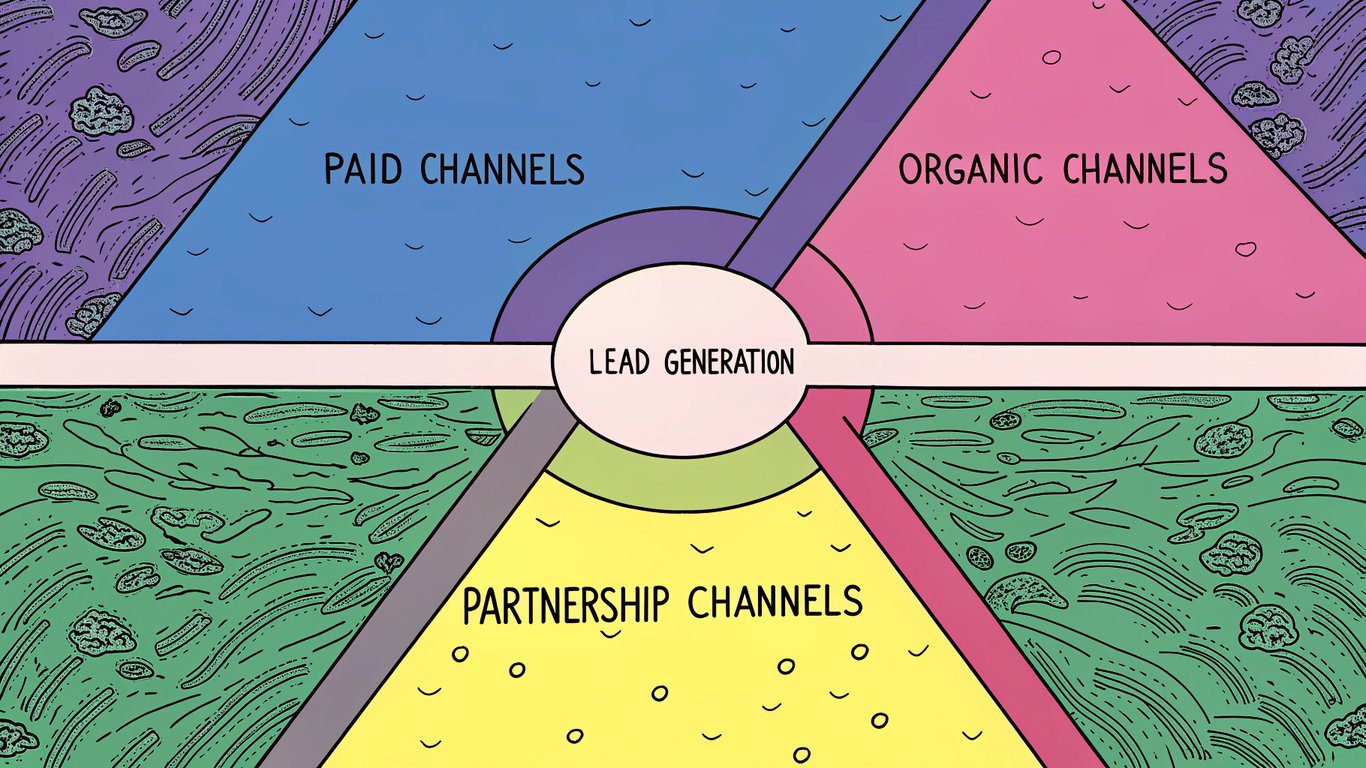
Each tactic includes specific conversion benchmarks based on what we’re seeing work in the industry. These aren’t guarantees, but they give you realistic expectations for what success looks like. Use them to evaluate whether your current efforts are performing well or need adjustment.
Tactic #1: Google Ads for High-Intent Med Spa Searches
When someone types “Botox near me” or “laser hair removal [your city]” into Google, they’re not casually browsing. They’re actively looking for a provider, probably comparing a few options, and ready to book soon. This is the highest-intent traffic you can get.
Targeting High-Intent Keywords
The key is focusing on treatment-specific searches combined with location modifiers. Keywords like “lip filler Boston,” “CoolSculpting consultation Miami,” or “microneedling cost Seattle” indicate someone who knows what they want and is looking for a local provider.
Avoid broad terms like “anti-aging” or “beauty treatments” unless you have a large budget to waste. These attract people in the early research phase who aren’t ready to book. Instead, target specific procedures you offer: dermal fillers, chemical peels, laser skin resurfacing, body contouring, or whatever treatments generate the most revenue for your practice.
You’ll also want to include cost-related keywords. Searches like “Botox price” or “how much does Juvederm cost” show purchase intent. Yes, some people are just price shopping, but many are trying to budget and are closer to booking than you might think.
Local Service Ads vs. Search Ads
Google offers two main ad types for local businesses. Local Service Ads appear at the very top of search results with a green checkmark and operate on a pay-per-lead model. Search Ads appear below them and use pay-per-click.
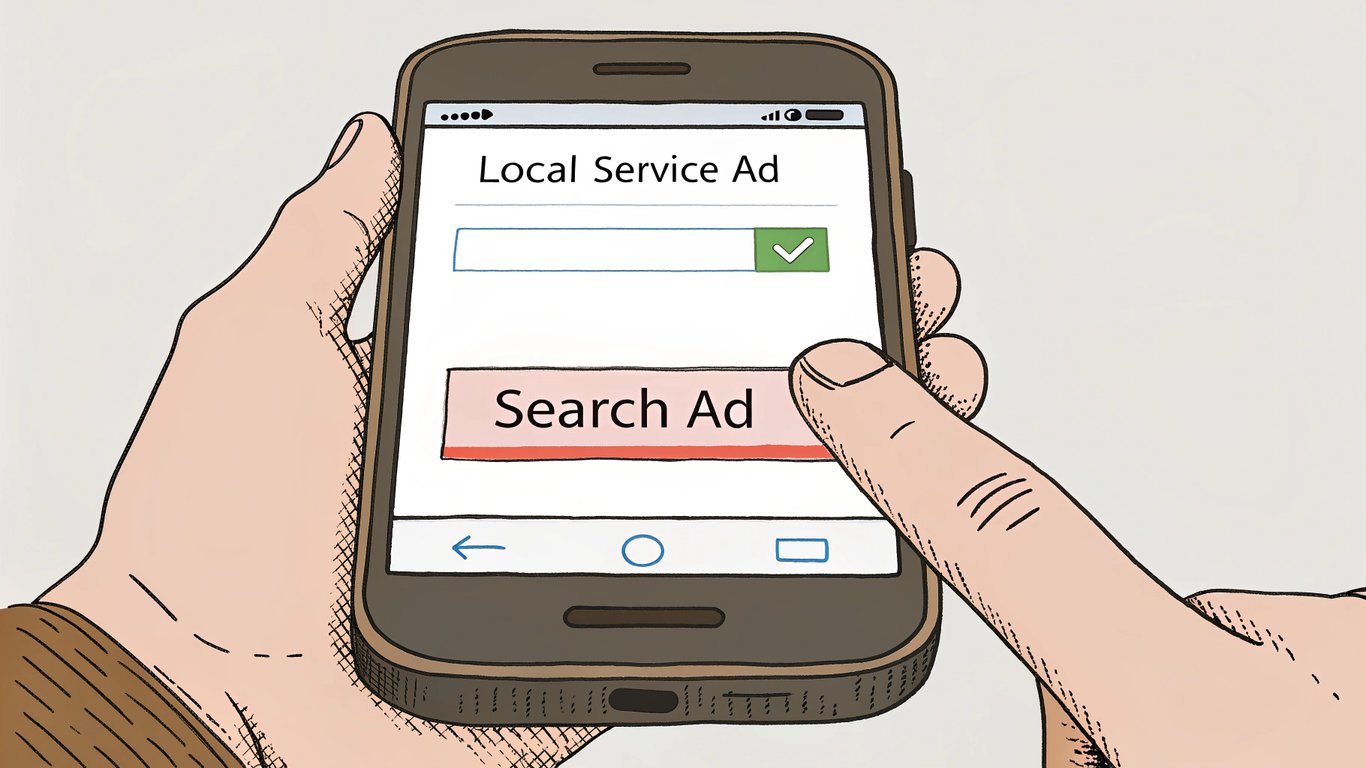
Local Service Ads can work well for med spas because they build trust through Google’s screening process. However, they’re not available in all markets for aesthetic services, and you have less control over your messaging. Search Ads give you more flexibility with ad copy, landing pages, and targeting options.
Most successful med spas use both when available. Local Service Ads capture the absolute top of the page, while Search Ads let you test different offers, highlight specific treatments, and direct traffic to optimized landing pages.
Landing Page Optimization for Conversions
Your ad is only half the battle. The landing page determines whether someone actually books a consultation or bounces. The most effective med spa landing pages include several key elements.
First, match the landing page to the ad. If someone clicks an ad for Botox, they should land on a Botox-specific page, not your homepage. Second, include before-and-after photos prominently (while following advertising regulations for your state). Third, display clear pricing or at least price ranges. People want to know if they can afford your services before they reach out.
Social proof matters enormously. Include reviews, testimonials, and credentials. Show how many treatments you’ve performed, your years of experience, and any certifications. Make the booking process obvious with a clear call-to-action button above the fold and multiple opportunities to schedule throughout the page.
Conversion Benchmarks & Cost Metrics
For med spa Google Ads, you should typically see click-through rates between 4-6% on search campaigns. Anything below 3% suggests your ad copy needs work or you’re targeting the wrong keywords. Landing page conversion rates (from click to consultation request) generally fall between 8-12% for well-optimized pages.
Cost per lead varies significantly by market and treatment type. In competitive urban markets, expect to pay $50-150 per lead. Less competitive areas might see costs as low as $30-80. Premium treatments like body contouring typically have higher lead costs than injectables.
The real metric that matters is cost per acquisition (how much you spend to get an actual paying client). If your consultation-to-booking rate is 40% and your cost per lead is $100, your cost per acquisition is $250. Compare that to your average client lifetime value to determine if the channel is profitable.
Tactic #2: Instagram & Facebook Ads with Visual Storytelling
Social media advertising works differently than search ads. People aren’t actively looking for your services when they see your ad. They’re scrolling through their feed, looking at friends’ photos, watching videos. Your job is to stop them mid-scroll with compelling visuals and make them curious enough to learn more.
Creating Compliant Before/After Content
Before-and-after photos are your most powerful asset on social platforms, but you need to follow the rules. Different states have different regulations about medical advertising, and platforms like Facebook and Instagram have their own policies.
Generally, you can’t make exaggerated claims or guarantee results. Use real client photos (with proper consent), show realistic results, and include appropriate disclaimers. Some med spas blur faces or show partial results to maintain privacy while still demonstrating their work.
Video content performs exceptionally well. Short clips showing the treatment process (without graphic details), client testimonials, or day-in-the-life content from your practice tend to generate more engagement than static images. Just keep it authentic. Overly polished, corporate-feeling content doesn’t resonate on social platforms.
Audience Targeting Strategies
Facebook and Instagram let you target with incredible precision. Start with demographic targeting: age ranges that match your typical clients (often 30-55 for most med spa services), income levels that indicate they can afford your treatments, and geographic radius around your location.
Lookalike audiences are powerful for med spa lead generation. Upload your existing client list, and the platforms will find people with similar characteristics. This typically performs better than interest-based targeting because it’s based on actual client data rather than assumptions.
Retargeting is essential. Most people won’t book after seeing one ad. Set up campaigns to show ads to people who’ve visited your website, engaged with your social content, or watched your videos. These warm audiences convert at much higher rates than cold traffic.
Lead Form Ads vs. Traffic Campaigns
You have two main options for social ad campaigns. Lead form ads let people submit their information directly within Facebook or Instagram without leaving the platform. Traffic campaigns send people to your website to book or request a consultation.
Lead forms generate more leads because there’s less friction. People don’t have to leave the app, wait for a page to load, or navigate a website. However, these leads are often lower quality because it’s so easy to submit. You’ll get more tire-kickers and people who aren’t serious.
Traffic campaigns to your website generate fewer leads but typically higher quality. Someone who takes the time to visit your site, browse your services, and fill out a form is more invested in the process. Test both approaches and track which generates better actual bookings, not just leads.
Conversion Benchmarks & Budget Allocation
Social media ads typically see lower click-through rates than search ads, usually 1-2%. That’s normal because people aren’t actively searching for your services. Lead form completion rates range from 15-25% for well-designed forms with compelling offers.
Cost per lead on social platforms is generally lower than Google Ads, typically $30-80 depending on your market. But remember, these leads often convert at lower rates, so your cost per acquisition might end up similar.
For return on ad spend (ROAS), successful med spa campaigns typically aim for 3:1 or better. If you spend $1,000 on ads, you should generate at least $3,000 in revenue. Premium treatments with higher price points can support lower ROAS, while high-volume, lower-cost treatments need better efficiency.
Tactic #3: SEO-Optimized Content Marketing
Paid advertising delivers immediate results, but organic search traffic builds long-term value. When you rank well in Google for relevant searches, you get consistent leads without paying for each click. It takes time to build, but the ROI compounds over months and years.
Treatment-Specific Service Pages
Every treatment you offer should have its own dedicated page optimized for local search. Don’t just list services on one page. Create comprehensive pages for Botox, dermal fillers, laser hair removal, microneedling, and each service you provide.
These pages should answer the questions potential clients are asking: What is the treatment? How does it work? What results can I expect? How much does it cost? What’s the recovery time? Include your location throughout the content naturally, like “our Boston med spa” or “serving clients in Miami.”
Add schema markup to help Google understand your services, location, and reviews. Include clear calls-to-action to book consultations. Use high-quality images (your own, not stock photos) showing your actual facility and results.
Educational Blog Content Strategy
Blog content attracts people in the research phase who aren’t ready to book yet but will be eventually. Write detailed guides about procedures, recovery timelines, cost breakdowns, and comparison articles.
Topics that perform well include “Botox vs. Dysport: Which is Right for You?” or “What to Expect During Your First Filler Appointment” or “How Much Does CoolSculpting Really Cost?” These answer real questions people are searching for.
Don’t just write for search engines. Write content that’s genuinely helpful. If someone reads your article and feels more informed and confident about their decision, they’re more likely to choose your practice when they’re ready to book. Thin, generic content that just tries to rank won’t build trust.
Local SEO Optimization
Your Google Business Profile is probably the most important local SEO asset you have. Keep it updated with current hours, services, photos, and respond to every review (positive and negative). Posts on your profile can help you show up in local searches.
Build local citations by getting your business listed in relevant directories: Yelp, Healthgrades, RealSelf, and local business directories. Make sure your name, address, and phone number are consistent everywhere.
Create location-specific content if you serve multiple areas. A page targeting “med spa in [neighborhood]” can help you rank for very specific local searches. Include local landmarks, nearby businesses, and area-specific information to strengthen local relevance.
Conversion Benchmarks & Timeline
SEO is a long game. You probably won’t see significant results for 3-6 months, sometimes longer in competitive markets. But once you start ranking, the traffic is essentially free (aside from the time and cost to create the content).
Organic traffic typically converts at 3-5% for med spas, which is lower than paid search but still valuable. These visitors are often earlier in their research, so they might not book immediately. That’s where email capture and retargeting come in.
The long-term ROI of SEO can be exceptional. Once you rank well, you can generate dozens or hundreds of leads per month without ongoing ad spend. It requires consistent effort to maintain rankings, but the cost per lead decreases dramatically over time.
Tactic #4: Strategic Partnerships with Complementary Businesses
Some of the highest-quality leads come from referrals, and strategic partnerships create a systematic way to generate referrals consistently. The key is finding businesses that serve the same target audience but aren’t direct competitors.
Identifying High-Value Partnership Opportunities
Think about where your ideal clients already spend time and money. High-end hair salons are obvious partners. Their clients care about their appearance, have disposable income, and are already investing in beauty services. The same goes for luxury spas, boutique fitness studios, and upscale clothing boutiques.
Medical partnerships can be incredibly valuable. Dermatologists often have patients asking about cosmetic treatments they don’t offer. Plastic surgeons might refer clients for non-surgical options. OB-GYNs see patients dealing with aging concerns. These referrals come pre-qualified because they’re from trusted medical professionals.
Wellness centers, nutritionists, and personal trainers also work well. Their clients are already focused on self-improvement and often interested in aesthetic treatments as part of their overall wellness routine.
Structuring Win-Win Referral Programs
The best partnerships benefit both parties. You could offer a commission for each referral that books (typically 10-20% of the first treatment). Some med spas prefer reciprocal arrangements where you refer clients back to them for their services.
Co-marketing opportunities work well too. Host a joint event at their location or yours. Create a package deal that includes services from both businesses. Cross-promote on social media and email lists.
Make referring easy. Provide partners with referral cards they can hand out, a unique booking link to track their referrals, and maybe exclusive offers they can share with their clients. The less friction in the referral process, the more referrals you’ll get.
Creating Partnership Marketing Materials
Give your partners professional materials they can display or distribute. Brochures, business cards, or small posters that explain your services and include a special offer for their clients.
Digital assets matter too. Provide social media graphics they can post, email templates they can send to their list, and website badges or links they can add to their site. Make it as easy as possible for them to promote you.
Consider creating co-branded content like blog posts or videos. A hair salon could feature an article on their site about how Botox and great hair work together, with quotes from you and a link to book a consultation.
Conversion Benchmarks & Relationship ROI
Referrals from strategic partners typically convert at 25-40%, much higher than most other channels. These leads come with built-in trust because they were referred by someone they already know and trust.
The lifetime value of referred clients also tends to be higher. They’re more likely to return for additional treatments, refer their own friends, and become loyal long-term clients.
Partnership programs have relatively low costs. You might spend money on marketing materials, commissions, or co-marketing events, but the cost per acquisition is usually much lower than paid advertising. The main investment is time spent building and maintaining relationships.
Tactic #5: Email Marketing & Nurture Campaigns
Most people who visit your website won’t book immediately. Email marketing lets you stay in touch with prospects, build trust over time, and convert them when they’re ready. It’s also crucial for bringing back past clients for maintenance treatments.
Lead Magnet Strategies for List Building
You need a compelling reason for people to give you their email address. Generic “sign up for our newsletter” forms don’t work well. Offer something valuable in exchange.
Treatment guides work well: “The Complete Guide to Botox: Everything You Need to Know Before Your First Appointment.” Pricing information is valuable too, since many med spas don’t publish prices online. A “2026 Treatment Price Guide” can generate lots of opt-ins.
Exclusive promotions for email subscribers create urgency. “Join our VIP list for early access to specials and $50 off your first treatment.” Virtual consultation offers can also work, especially for people who aren’t ready to come in person yet.
Segmented Nurture Sequences
Don’t send the same emails to everyone. Segment your list based on how people joined and what they’re interested in. Someone who downloaded a Botox guide should receive different emails than someone who requested a CoolSculpting consultation.
For consultation requests who didn’t book, send a follow-up sequence addressing common concerns: cost, safety, results, recovery time. Include testimonials from similar clients and maybe a limited-time offer to encourage booking.
Newsletter subscribers need educational content mixed with promotional offers. Share before-and-after results, explain new treatments, provide skincare tips, and occasionally promote special offers. The ratio should be about 80% value, 20% promotion.
Re-engagement & Retention Campaigns
Past clients are your most valuable email segment. They’ve already trusted you once and are likely to return. Send reminders when it’s time for maintenance treatments (Botox typically lasts 3-4 months, fillers 6-12 months).
Birthday and anniversary emails with special offers feel personal and drive bookings. Seasonal campaigns work well too. Promote body contouring in spring before summer, skin rejuvenation in fall, and injectables before holiday parties.
Win-back campaigns target clients who haven’t been in for a while. A “We miss you” email with an incentive to return can reactivate dormant clients who might have forgotten about you or tried a competitor.
Conversion Benchmarks & Email Metrics
Med spa email marketing typically sees open rates of 20-30%, which is decent for the industry. Click rates usually fall between 3-5%. If you’re seeing significantly lower numbers, your subject lines probably need work or you’re emailing too frequently.
The email-to-booking conversion rate varies by campaign type. Promotional emails to past clients might convert at 5-10%, while nurture sequences for new leads might be closer to 2-3%. The key is tracking which emails drive actual bookings, not just clicks.
Email marketing has one of the best ROIs of any channel because the ongoing cost is minimal. Once you’ve built your list and set up automated sequences, you’re generating bookings with very little additional investment.
Tactic #6: Influencer & Micro-Influencer Collaborations
Influencer marketing has become mainstream in the aesthetic industry. When done right, it provides social proof, expands your reach, and generates qualified leads from people who trust the influencer’s recommendation.
Selecting the Right Influencers
Bigger isn’t always better. Micro-influencers with 5,000-50,000 followers often deliver better results than celebrities with millions of followers. Their audiences are more engaged, their rates are more affordable, and their recommendations feel more authentic.
Look for influencers whose audience matches your target demographic. If you primarily serve women 35-55, partnering with a 22-year-old beauty influencer probably won’t drive many bookings. Check their engagement rate (likes and comments divided by followers). Anything above 3-5% is solid.
Local influencers work best for med spas since you need clients who can actually visit your location. A lifestyle blogger in your city with 10,000 local followers is more valuable than a national influencer with 100,000 followers spread across the country.
Structuring Influencer Partnerships
There are several ways to compensate influencers. Complimentary treatments work well, especially for smaller influencers who are genuinely interested in your services. They get free treatments, you get authentic content and exposure.
Affiliate commissions align incentives. The influencer earns a percentage (typically 10-20%) of any bookings that come through their unique code or link. This ensures they’re motivated to actually drive results, not just post once and forget about it.
Flat fees are common for larger influencers. You pay an agreed amount for a certain number of posts or stories. This gives you more control over the content and timing but doesn’t guarantee results.
Tracking & Attribution Methods
Always use unique tracking codes or links for each influencer. This lets you see exactly how many leads and bookings each partnership generates. Without tracking, you’re just guessing at ROI.
Create dedicated landing pages for influencer campaigns. When someone clicks their link, they land on a page specifically designed for that audience with messaging that matches what the influencer said about you.
UTM parameters in links help you track traffic in Google Analytics. You can see not just how many people clicked, but how they behaved on your site, which pages they visited, and whether they converted.
Conversion Benchmarks & Cost Analysis
Influencer traffic typically converts at 5-15%, depending on how well-matched the audience is and how authentic the recommendation feels. Micro-influencers often see higher conversion rates than larger influencers because their audiences trust them more.
Cost per acquisition varies widely. A micro-influencer partnership might cost you $500-2,000 in free treatments and generate 5-10 new clients, making your CPA $100-400. Larger influencers might charge $2,000-10,000 for a campaign.
Beyond direct bookings, influencer partnerships provide long-term brand awareness value. Their content lives on their profile, gets shared, and continues generating impressions long after the initial post. This makes the true ROI hard to measure but potentially much higher than immediate conversions suggest.
Tactic #7: Retargeting Campaigns Across Multiple Channels
Most website visitors leave without booking. Retargeting brings them back by showing ads to people who’ve already visited your site or engaged with your content. These warm audiences convert at much higher rates than cold traffic.
Pixel-Based Retargeting Strategy
Install tracking pixels from Facebook, Google, and other platforms on your website. These pixels track visitor behavior and let you create custom audiences based on what people did on your site.
Segment your audiences based on behavior. Someone who visited your Botox page should see different ads than someone who looked at body contouring. People who started but didn’t complete a consultation form need different messaging than casual browsers.
Set appropriate time windows. Retargeting someone for 180 days after they visited your site once is probably overkill. Most med spas see best results with 30-60 day windows, though this varies by treatment type and decision timeline.
Multi-Platform Retargeting Approach
Don’t rely on just one platform. Someone might ignore your Facebook ads but click on a Google Display ad, or vice versa. Running coordinated retargeting across multiple platforms increases your chances of recapturing lost visitors.
Google Display Network shows your ads on millions of websites across the internet. Facebook and Instagram retargeting appears in social feeds. YouTube retargeting can show video ads to people who’ve visited your site.
Keep your messaging consistent across platforms but adapt the format to each channel. A video testimonial works great on Facebook and YouTube, while a simple image ad with a strong offer might perform better on the Display Network.
Sequential Messaging & Offer Escalation
Don’t show the same ad repeatedly. Create a sequence that moves people from awareness to action. The first ad might remind them of the treatment they looked at and highlight benefits. The second ad could include testimonials or before-and-after results. The third ad might introduce a limited-time offer to create urgency.
Offer escalation works well for people who keep seeing your ads but haven’t booked. Start with your standard pricing, then maybe offer a small discount, then a larger incentive for people who still haven’t converted. This rewards people who need an extra push without devaluing your services to everyone.
Time-sensitive offers create urgency. “Book by Friday and save $100” or “Only 3 spots left this month” can push hesitant prospects to finally schedule their consultation.
Conversion Benchmarks & Budget Efficiency
Retargeting typically converts at 10-20%, significantly higher than cold traffic campaigns. These people already know who you are and have shown interest, so they’re much more likely to book.
Cost per conversion for retargeting usually falls between $40-100, lower than most other paid channels. The CPM (cost per thousand impressions) is higher than cold traffic, but the conversion rate more than makes up for it.
Set frequency caps to avoid annoying people. Showing your ad 3-5 times per week is probably enough. More than that and you risk ad fatigue, where people start ignoring your ads or develop negative associations with your brand.
Implementing Your Med Spa Lead Generation Strategy
You now have seven proven tactics for generating high-quality leads. But trying to implement everything at once is a recipe for burnout and mediocre results. You need a strategic approach to prioritization and execution.
Creating Your 90-Day Implementation Roadmap
Start with 2-3 tactics maximum. If you have a limited budget, focus on one paid channel (probably Google Ads for high-intent searches) and one organic channel (SEO-optimized service pages and local optimization). If you have more budget, add social media advertising.
Month one should focus on setup and foundation. Get your tracking in place, create landing pages, set up your first campaigns. Don’t expect amazing results immediately. Month two is about optimization. Analyze what’s working, adjust what isn’t, and start scaling successful campaigns. Month three is when you should see consistent results and can consider adding another tactic.
Partnership channels take longer to develop but should be started early. Begin reaching out to potential partners in month one, even if you’re focused on paid channels. By month three, you might have your first referral relationships generating leads.
Essential Tracking & Analytics Setup
You can’t improve what you don’t measure. Set up Google Analytics on your website and configure goal tracking for consultation requests, phone calls, and bookings. Install conversion tracking pixels for all your advertising platforms.
Track these key metrics for each channel: cost per lead, lead-to-consultation rate, consultation-to-booking rate, average treatment value, and customer lifetime value. These numbers tell you which channels are actually profitable, not just which generate the most leads.
Use a CRM or spreadsheet to track lead sources. When someone books, record where they came from. This attribution data is crucial for understanding true ROI. Many med spas discover that their best-performing channel isn’t what they thought.
Budget Allocation Framework
A common framework is 60% paid channels, 30% organic channels, and 10% partnership channels. Paid delivers immediate results, organic builds long-term value, and partnerships provide high-quality referrals.
If you’re just starting out with a limited budget (under $2,000/month), focus heavily on paid channels to generate immediate cash flow. As you grow, shift more budget to organic efforts that will reduce your dependence on paid advertising.
Established med spas with consistent revenue can afford to invest more in organic and partnership channels. You might shift to 40% paid, 40% organic, and 20% partnerships as you build sustainable lead generation systems.
Common Pitfalls to Avoid
The biggest mistake is spreading your budget too thin across too many channels. It’s better to dominate one or two channels than to be mediocre at five. Focus creates better results than diversification in the early stages.
Another common error is optimizing for the wrong metrics. Lots of website traffic or social media followers don’t matter if they’re not converting to paying clients. Always track back to actual revenue, not vanity metrics.
Don’t neglect follow-up. Many med spas generate plenty of leads but lose them due to slow response times or poor follow-up processes. Respond to inquiries within an hour if possible, and have a systematic follow-up sequence for people who don’t book immediately.
When to Scale vs. When to Pivot
Scale what’s working. If a channel is generating leads at an acceptable cost per acquisition and you’re converting those leads profitably, increase your investment. Double your budget and see if results scale proportionally.
Pivot when something isn’t working after giving it a fair test. If you’ve run Google Ads for three months, optimized your campaigns, and still can’t get cost per acquisition below your target, it might be time to try a different channel.
Sometimes the issue isn’t the channel but your offer or positioning. If you’re getting plenty of leads but they’re not converting to bookings, the problem might be your pricing, your consultation process, or how you’re presenting your services.
Building a Sustainable Med Spa Lead Generation System
Lead generation isn’t a one-time project. It’s an ongoing system that requires consistent attention, testing, and optimization. The med spas that succeed long-term are the ones that treat marketing as a core business function, not an afterthought.
Start with one or two tactics from this guide. Implement them properly, track your results, and optimize based on data. Once you’ve got those channels performing well, add another. Build your lead generation system methodically, and you’ll create a reliable source of new clients that supports sustainable growth.
The benchmarks we’ve shared give you realistic expectations, but your results will vary based on your market, competition, and execution. Focus on continuous improvement rather than perfection. Small optimizations compound over time into significant results.
Most importantly, remember that lead generation is just the first step. Converting those leads into happy, loyal clients who refer their friends is what actually grows your business. Great marketing brings people in, but great service keeps them coming back.